


TL;DR
- A good DC-to-DC charger is not just an accessory. It is often the key piece that makes alternator charging safe, useful, and compatible with modern lithium house batteries.
- The best choice depends on whether you care most about premium control, engine-bay toughness, or integrated value with solar input.
- Buy around the real charge need. A charger that is too small underdelivers, while one that is too large can complicate cabling, heat management, and alternator expectations.
DC-to-DC charging matters because modern RV charging is no longer simple
Older RV conversations often treated alternator charging as almost automatic. Hook up the trailer or drive the van, and the batteries more or less took care of themselves.
That assumption is much weaker today.
Modern RV systems now include:
- lithium battery banks
- smart alternators
- longer cable runs
- solar input that may share charging duties
- higher daily power expectations
That is why a purpose-built DC-to-DC charger matters. It helps the alternator and house battery bank interact in a controlled way instead of relying on wishful wiring.
What matters most in a DC-to-DC charger
Charge rate
This is the headline spec, but it has to match the system. A 20A unit can be perfectly right for a modest trailer build, while a larger lithium bank may justify 40A, 50A, or beyond.
Dual-input solar support
Some chargers combine alternator charging and solar MPPT input in one box. That can simplify a build significantly.
Installation environment
Where the charger lives matters. An engine-bay-friendly charger solves a different problem than a component designed for a protected interior installation.
| Spec | Best fit | Why it stands out |
|---|---|---|
| Victron Orion XS 12/12-50A | Builders who want premium control and high-quality system integration | Strong efficiency, app visibility, and excellent fit in more advanced systems |
| REDARC BCDC range | Rugged travel builds that prioritize durability and alternator-plus-solar flexibility | Well-known for harsh-condition use and integrated dual-input charging options |
| Renogy DCC50S / dual-input line | Value-focused RV builds wanting alternator and solar in one package | Practical integrated charging at a friendlier cost of entry |
Three DC-to-DC charger paths worth considering
Victron Orion XS for premium system builders
The Orion XS is a strong fit when the charging system is part of a broader, carefully designed RV electrical build. Victron positions it around high efficiency, app-based visibility, and load-aware behavior, which fits owners who want to understand and tune the system rather than simply hope it is working.
This is especially appealing for:
- lithium-heavy builds
- owners already using Victron components
- RVers who value monitoring, adjustability, and clean integration
It is not the cheapest path, but it often feels like the cleanest one in a mature build.
REDARC BCDC for rugged, field-oriented builds
REDARC’s BCDC family has long earned attention because it is built around harsh-condition charging and dual-input flexibility. Their lineup emphasizes sealed construction, heat tolerance, and solar-plus-vehicle charging behavior.
That makes it a great fit for:
- towed rigs
- dusty or hot travel conditions
- engine-bay-adjacent installs
- RVers who want one device to manage alternator and solar input intelligently
If your charging philosophy is "make it durable and dependable first," REDARC is usually in the conversation for a reason.
Renogy DCC50S or similar dual-input chargers for value-driven builds
Renogy’s dual-input chargers continue to be relevant because they bring alternator charging and solar MPPT into a more accessible package. That can make them very attractive for real-world RV upgrades where budget still matters.
This is a strong fit for:
- moderate-size lithium upgrades
- first serious off-grid electrical builds
- owners who want fewer separate components
- DIYers prioritizing value and simple integration
The biggest question is not whether a Renogy unit is "premium enough." It is whether its features and installation style match the actual build you are putting together.
The most common mistake
The biggest mistake is buying around excitement instead of system math.
Before choosing a charger, ask:
- how much alternator charging do I really need?
- how large is the house bank?
- how long are the cable runs?
- am I also using solar heavily?
- where will the charger live?
That process often makes the right answer much clearer than staring at a product list.
From the field
From the field:
DC-to-DC chargers make the biggest difference in rigs that actually move enough to benefit from alternator charging. If you rarely relocate, solar and shore charging may deserve more attention than a premium alternator-charging setup.
Final thought
The best DC-to-DC charger for an RV is the one that matches the bank size, travel pattern, and install environment of the build. Start with the charging job you need done, then choose the charger style that gets there without forcing the rest of the system into bad compromises.
Frequently asked
Questions RVers usually ask next.
Do RVs with lithium batteries need a DC-to-DC charger?
Many do, especially when alternator charging is part of the plan. A DC-to-DC charger helps deliver a controlled charging profile and protects the charging relationship between the vehicle and house battery bank.
Is a higher-amp DC-to-DC charger always better?
No. Bigger charging output only helps if the battery bank, wiring, alternator, and installation plan are all built to support it. Oversizing can add cost and complexity without real benefit.
Should I choose a charger with built-in solar MPPT?
Often yes, especially in simpler RV builds where combining alternator and solar charging into one device reduces component count and wiring complexity.
What matters most when choosing an RV DC-to-DC charger?
Match the charger to your bank size, charge-rate goal, solar strategy, alternator behavior, cable runs, and installation environment.
Compare next
Use these next reads to finish the buying decision.
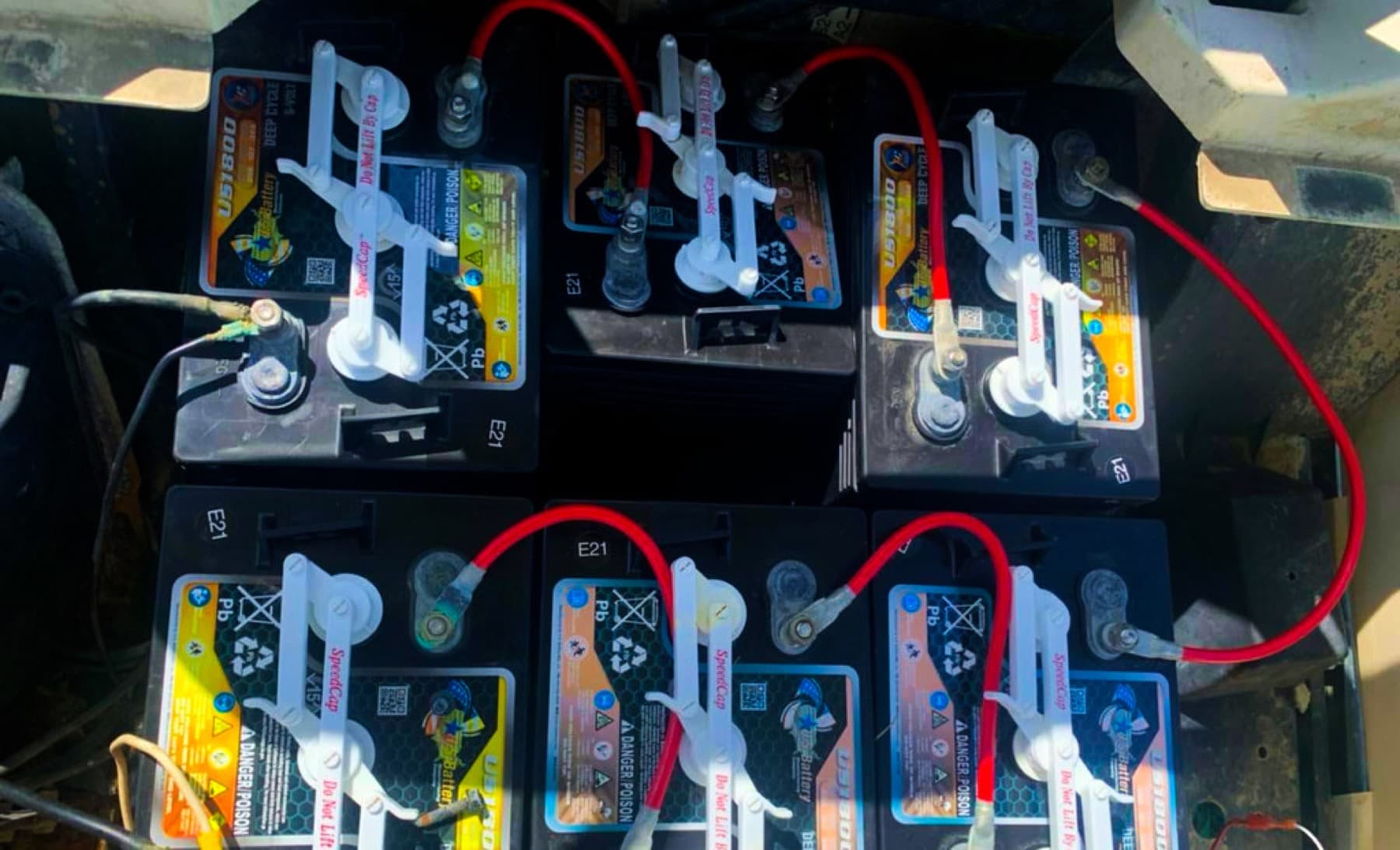
RV Battery Charging From Shore Power, Solar, and Alternator: How the Sources Work Together
A practical guide to charging an RV battery bank from shore power, solar, and alternator input so you can understand what each source does best and where systems get mismatched.
How to Size an RV Battery Bank Without Guessing From Amp-Hours Alone
A practical guide to sizing an RV battery bank using daily watt-hours, autonomy goals, chemistry tradeoffs, and real camping habits.

RV Solar Charge Controller Guide: How to Choose the Right Type, Size, and Settings
A practical guide to RV solar charge controllers, including PWM vs. MPPT, sizing, placement, and the settings that matter once the system is live.
About this coverage
OffGridRVHub Editorial
Independent editorial coverage for off-grid RV systems
OffGridRVHub publishes practical guidance on solar, batteries, water, connectivity, and camping logistics for RVers who want calmer, better-informed decisions. The focus is plain-language system design, realistic tradeoffs, and tools that help readers work from real constraints instead of marketing claims.
Contact the editorial team