

TL;DR
- Battery sizing starts with daily watt-hours, not a random amp-hour number copied from someone else's rig.
- You need enough usable capacity for your actual loads, your charging reality, and the number of poor-solar or no-drive days you want to handle comfortably.
- Lithium usually gives more usable capacity for the same rated bank size, but chemistry is only one piece. Voltage, inverter loads, temperature, and charging habits all shape the right battery target.
Why amp-hours alone cause so much confusion
Amp-hours are useful, but they are not enough by themselves. A 100Ah battery means something different at 12V than it does at 24V, and it means something different again depending on whether you are willing to use nearly all of that capacity or only a portion of it.
That is why so many RVers feel confused after shopping batteries. They compare one number without anchoring it to:
- Voltage
- Chemistry
- Daily watt-hours
- Charging pattern
- Number of backup days needed
Battery sizing becomes much clearer once you think in daily energy use first.
Start with daily watt-hours
The cleanest first question is:
How many watt-hours do I actually use in a day?
That includes the loads that happen quietly in the background, not just the obvious ones. Common examples:
- Compressor fridge
- Vent fans
- Water pump
- Lights
- Router or hotspot
- Laptops and monitors
- Charging ports
- CPAP or medical devices
- Inverter standby draw
The battery calculator is the fastest way to turn those loads into a workable estimate.
Why this matters
If your daily use is 1,200Wh and you want two days of battery reserve, you are solving a very different problem than someone using 3,500Wh per day for remote work and longer inverter loads. The battery bank should fit the lifestyle, not the internet's favorite number.
Convert energy use into required capacity
Once you know your daily watt-hours, you can estimate storage needs by asking:
- How many days of autonomy do I want?
- How deeply am I comfortable discharging the batteries?
- How much charging support do I reliably have?
At a practical level, the battery bank needs to cover your daily use plus a margin for inefficiency, weather, and the ordinary slop that happens in real systems.
Example approach
If your rig uses 1,500Wh per day and you want two days of reserve, the simple planning target is 3,000Wh of usable energy.
If the system is 12V, that translates roughly to 250Ah of usable capacity.
But usable capacity depends on chemistry:
- A lithium bank can usually provide a much larger portion of rated capacity comfortably
- An AGM bank is often planned more conservatively to protect longevity and avoid chronic deep cycling
That means two different banks with the same rated amp-hours can feel very different in real use.
Decide how much autonomy you actually need
Autonomy means how long you can run before you must recharge meaningfully.
This is where many builds get over- or under-sized.
One day of autonomy
Often workable for:
- Travelers who move often
- RVers with strong solar exposure
- People comfortable living closer to their charging margin
Two days of autonomy
Often the most practical target for:
- Typical off-grid RV travel
- Weekend and extended-stay use
- Moderate solar systems where weather and shade can vary
Three or more days of autonomy
More appropriate for:
- Heavy remote-work loads
- Shoulder-season travel with weaker solar
- Travelers who expect poor charging conditions for extended periods
- People who strongly dislike running close to the edge
The right answer is not "as much as possible." More battery adds weight, cost, and charging demands. The right answer is enough autonomy to make the system feel calm.
Chemistry changes the sizing conversation
Battery chemistry does not just change price. It changes how much of the rated bank feels truly usable and how the system behaves under load.
Lithium
Lithium batteries generally make battery sizing easier because more of the rated bank feels practical day to day. Voltage tends to stay steadier under normal use, recharge is faster, and the usable portion is higher. This usually means you can size closer to the real need without feeling quite as punished.
AGM
AGM can still work well, especially for smaller or simpler systems, but sizing needs to be more conservative. If you build an AGM bank too close to your daily usage, the system can feel tired quickly and recover more slowly.
The full chemistry tradeoff is in Lithium vs. AGM for RVs.
Usable energy matters more than rated capacity
When two batteries look similar on paper, the useful comparison is not just rated amp-hours. It is how much of that energy you can use comfortably and repeatedly in the real charging conditions your rig sees.
Inverter loads change the target fast
This is one of the biggest places new systems get surprised.
If you mostly run:
- 12V fridge
- fans
- lights
- phones
- modest electronics
your battery needs may stay moderate.
If you regularly run:
- microwave
- coffee gear
- induction cooking
- workstation monitors
- larger tools
- hair dryers or other short heavy loads
the bank needs to support not just total daily energy but higher-current moments and greater conversion losses through the inverter.
Even when those heavy loads run for short periods, they can shape the feel of the system.
Do not ignore charging reality
Battery sizing and charging strategy are inseparable. A large bank can feel wonderful if you can refill it. It can also feel disappointing if the charging system never catches up.
Ask:
- How much solar do I actually have?
- How often am I on shore power?
- Do I drive enough for alternator charging to matter?
- How often do I camp in shade?
- What happens in cloudy weather?
A bank sized generously but paired with weak charging can drift into chronic deficit. A moderately sized bank with reliable charging can feel better.
Temperature matters
Cold weather changes the battery conversation. Capacity, charging confidence, and overall system behavior all feel different when overnight temperatures drop.
If cold-weather use is part of the plan, leave margin. A battery bank that looks barely adequate on paper in mild weather can feel undersized quickly once temperatures and charging conditions get worse.
Common sizing mistakes
Copying another rig
This is the classic trap. Another RVer's system may be great for their habits and wrong for yours.
Ignoring hidden loads
Router power, inverter standby draw, fans, and background device charging add up.
Building only for sunny days
If the bank feels fine only when solar conditions are excellent, it is probably not sized for the way real travel works.
Focusing only on the battery purchase
The bank is not the whole system. If the solar, charge profile, monitoring, or wiring are weak, the battery choice alone will not save the experience.
Practical sizing examples
Light-use weekend rig
Loads:
- lights
- vent fan
- phones
- compressor fridge
This kind of setup often benefits from a modest lithium bank or a more conservative AGM bank sized around one to two days of reserve.
Moderate off-grid traveler
Loads:
- fridge
- fans
- pump
- laptops
- occasional inverter use
This traveler usually wants enough reserve that a mediocre solar day does not feel stressful. Two days of comfortable autonomy often becomes the target.
Remote-work rig
Loads:
- fridge
- fans
- router
- laptops
- monitor
- charging accessories
- heavier inverter use
This is where undersizing shows up fast. Remote work tends to reward a larger lithium bank and stronger charging support because the workday is much less forgiving than leisure loads.
When to leave room for expansion
If the rig is still evolving, expansion headroom is valuable. Many RV electrical systems grow over time as people add:
- better connectivity gear
- more work devices
- additional charging habits
- more inverter loads
- shoulder-season travel demands
That does not always mean buying the largest bank immediately. It can mean designing the layout so future expansion is straightforward.
Good battery sizing should feel boring
The right battery bank usually does not feel dramatic. It feels stable.
You wake up without worrying about overnight draw. You finish a workday without watching voltage nervously. You can absorb an overcast day without feeling like the whole trip is suddenly constrained.
That is the real target: not the biggest bank, and not the cheapest bank, but the bank that makes everyday use less mentally expensive.
Final thought
If you remember only one thing, make it this: size the battery bank from your daily watt-hours, your autonomy goal, and your actual charging conditions. Amp-hours matter, but only after they are tied to the system around them.
Once the math starts with real use, battery choices become much easier to understand.
Frequently asked
Questions RVers usually ask next.
How many amp-hours do I need for my RV?
There is no universal answer. The right number depends on daily watt-hours, battery voltage, chemistry, and how many days of reserve you want. Start with usage, then convert to capacity.
Is 200Ah enough for an RV?
Sometimes. It can be enough for lighter-use rigs with modest loads and solid charging support, but it may feel small for remote work, larger inverter loads, or multi-day autonomy goals.
Should I oversize my RV battery bank?
A little margin is usually wise. Oversizing drastically can add cost and weight without solving the real problem if charging capacity is still weak.
What is the easiest way to size an RV battery bank?
Use a daily watt-hour estimate, decide how many backup days you want, choose a chemistry, and then compare the result against your solar and charging plan. The battery calculator helps with the first step.
Related reading
Keep building the rest of the system.
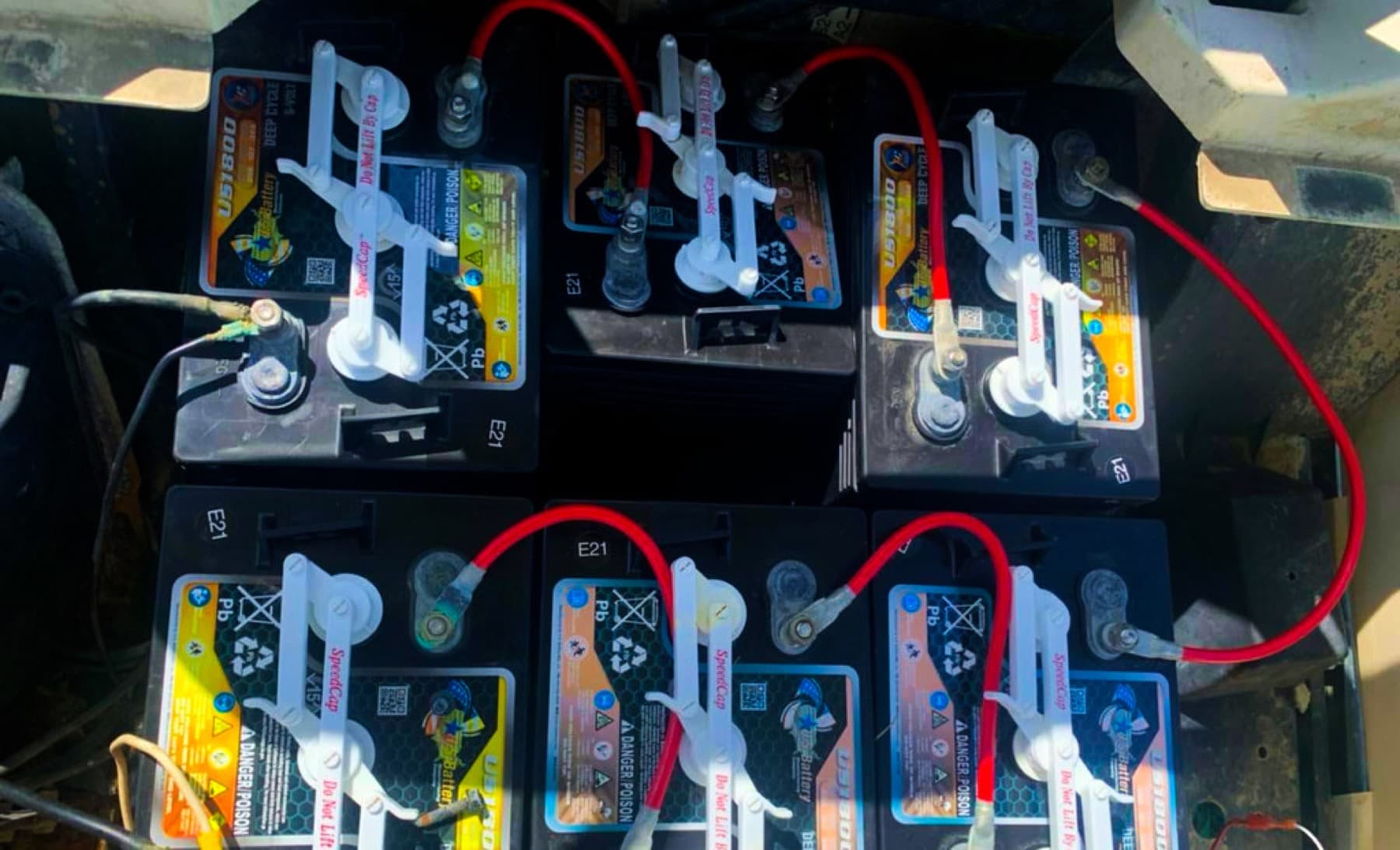
Lithium vs AGM RV Batteries
A practical comparison of lithium and AGM RV batteries, including cost, usable capacity, weight, and who each setup fits best.
Best Lithium RV Batteries in 2026
A practical buyer's guide to lithium RV batteries, including capacity, cold-weather tradeoffs, and who each battery fits best.
About this coverage
OffGridRVHub Editorial
Independent editorial coverage for off-grid RV systems
OffGridRVHub publishes practical guidance on solar, batteries, water, connectivity, and camping logistics for RVers who want calmer, better-informed decisions. The focus is plain-language system design, realistic tradeoffs, and tools that help readers work from real constraints instead of marketing claims.
Contact the editorial team