

TL;DR
- A healthy RV charging strategy usually uses more than one source. Shore power, solar, and alternator charging each solve different parts of the battery-life and travel-pattern problem.
- Most charging frustration comes from mismatch: expecting one source to do a job it is not best suited for, or assuming all three sources will naturally behave well together without deliberate planning.
- The right charging setup depends on how the rig moves, where it camps, and whether the battery bank needs quick recovery, daily solar support, or reliable recharge between stops.
Battery charging makes more sense when you stop looking for one hero source
Many RVers want the battery bank to feel simple. That often leads to thinking there must be one best charging method. In real travel, that is rarely true.
A strong RV charging plan usually layers multiple sources because each one has a different strength:
- shore power is great when available and predictable
- solar is excellent for ongoing daytime support
- alternator charging can be valuable between destinations
The best system is the one where those sources complement each other instead of overlapping poorly or leaving obvious gaps.
Shore power is the easiest recovery source when it is available
Shore power is appealing because it feels familiar and low-drama. When the rig is plugged in at home, at a campground, or in another supported location, the battery can recover without worrying about sunlight, drive time, or campsite orientation.
That makes shore power especially useful for:
- resetting the system fully between trips
- catching up after poor solar weather
- keeping the rig ready without burning travel energy doing it
Its limitation is simple: it only helps where shore power exists.
Solar is the best ongoing off-grid support source
Solar shines because it works while you are actually camping. It turns daylight into daily support and can keep the battery bank from slipping behind when the system is sized and used well.
Solar is especially strong for:
- extending stays
- covering everyday loads while parked
- reducing dependence on hookups or generator time
Its limitation is that it depends on:
- sun access
- weather
- roof or panel strategy
- timing
Solar is amazing for continuity. It is not magical for instant catch-up in every condition.
Alternator charging is most useful when movement is part of the lifestyle
Alternator charging becomes more valuable when the rig changes locations often enough for drive time to matter. It can help recharge the bank between stops and can make travel days do double duty.
This is especially helpful when:
- you move often
- solar is inconsistent in the places you camp
- you want a stronger recharge story between off-grid stops
Its limitation is obvious too: it is strongest when you are traveling, not when you are parked for long stretches.
The right source depends on the rhythm of the trip
Stationary boondocker
Solar usually matters most because it supports the bank where the trip is actually happening.
Frequent mover
Alternator charging becomes much more relevant because drive time is part of the normal pattern.
Hookup-to-off-grid hybrid traveler
Shore power may handle reset and recovery while solar covers the campsite portion.
This is why good charging design starts with travel behavior, not just product specs.
| Spec | Best use | Main limitation |
|---|---|---|
| Shore power | Reliable reset and full recharge when available | Only works where plug-in access exists |
| Solar | Daily parked support and off-grid continuity | Dependent on sun, weather, and placement |
| Alternator | Recharge while moving between stops | Helps less when the rig stays put for long periods |
Problems happen when one source is expected to do too much
Examples:
- expecting solar alone to solve every recovery need in weak conditions
- assuming alternator charging will make up for a poorly matched campsite routine
- believing shore power will hide a weak daily off-grid system
Each source is valuable, but each source has a context where it performs best. Once you understand that, charging decisions become much easier.
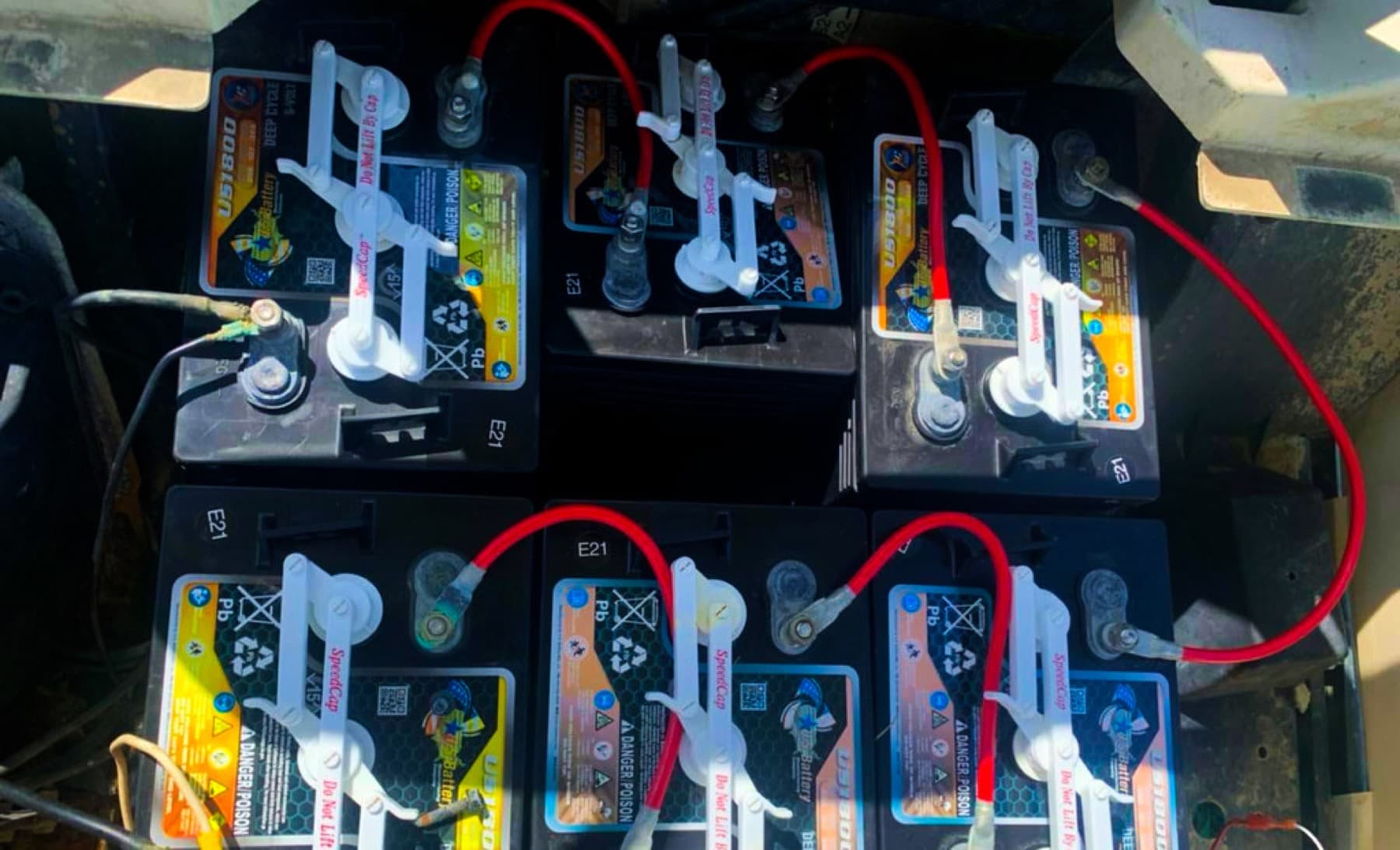
Battery chemistry and charging behavior still matter
This is not just about where the power comes from. It is also about how the battery wants to receive it.
That is why charging-source planning should always stay connected to:
- battery chemistry
- controller and charger settings
- cold-weather behavior
- overall system goals
A charging source that looks strong in theory can still feel awkward if the battery-side behavior was never thought through carefully.
A layered charging system creates confidence
What most off-grid RVers actually want is not one perfect charger. They want confidence that the battery bank will feel manageable across different days and different trip patterns.
That confidence usually comes from:
- a clear reset path
- a clear daily support path
- a clear movement-day recovery path
You may not need all three equally. But you should understand which one your travel style relies on most and which one covers your weakest scenario.
Final thought
The best charging source is usually the one that matches the part of the trip you are in. Shore power resets. Solar sustains. Alternator charging supports movement-based recovery.
When those roles are understood clearly, the battery system stops feeling like a mystery and starts feeling like infrastructure.
Frequently asked
Questions RVers usually ask next.
What is the best way to charge RV batteries?
There is not one universal best source. Shore power, solar, and alternator charging all have different strengths. The right answer depends on whether you are parked, traveling, or resetting between trips.
Why is solar not always enough by itself?
Because solar depends on sunlight, weather, and campsite conditions. It is excellent for ongoing off-grid support, but it may not be the strongest recovery tool in every situation.
When does alternator charging matter most?
Alternator charging matters most for RVers who move often enough that drive time becomes part of the recharge plan. It is especially useful between off-grid stops.
Should charging strategy be different for different battery chemistries?
Yes. The battery chemistry and the system settings still matter. A good charging plan is not only about where the power comes from, but also about how the battery bank is configured to receive it.
Related reading
Keep building the rest of the system.
How to Size an RV Battery Bank Without Guessing From Amp-Hours Alone
A practical guide to sizing an RV battery bank using daily watt-hours, autonomy goals, chemistry tradeoffs, and real camping habits.

RV Solar Charge Controller Guide: How to Choose the Right Type, Size, and Settings
A practical guide to RV solar charge controllers, including PWM vs. MPPT, sizing, placement, and the settings that matter once the system is live.

How to Build an Off-Grid RV System in Stages Without Rebuying Everything
A step-by-step guide to building an off-grid RV system in stages so each upgrade works with the next instead of forcing a rebuild.
About this coverage
OffGridRVHub Editorial
Independent editorial coverage for off-grid RV systems
OffGridRVHub publishes practical guidance on solar, batteries, water, connectivity, and camping logistics for RVers who want calmer, better-informed decisions. The focus is plain-language system design, realistic tradeoffs, and tools that help readers work from real constraints instead of marketing claims.
Contact the editorial team