

TL;DR
- An inverter charger is often the cleanest upgrade when you want one box to handle shore charging, AC inversion, and transfer switching in a serious RV power system.
- The best fit depends on whether you want premium integration, strong value, or a coach-focused package built around heavier use.
- Buy around the loads, battery bank, and charging expectations. A premium unit is wasted if the rest of the system is undersized, and a bargain unit can become frustrating if the rig’s demands are already high.
Inverter chargers earn their keep when the RV becomes a real power system
There is a point in most off-grid builds where a simple standalone inverter no longer feels like the clean answer.
That usually happens when you want:
- proper shore charging
- automatic transfer behavior
- cleaner system wiring
- stronger AC capability from the battery bank
At that point, an inverter charger starts making more sense than stacking separate compromises.
What matters most in an inverter charger
Inverter output and surge handling
The unit has to match the loads you actually want to run, not the loads you wish sounded impressive on paper.
Charging behavior
If the charger side is weak or poorly matched to the battery bank, the all-in-one convenience is less impressive.
Integration with the rest of the build
Some RVers want premium ecosystem integration. Others just want a dependable power center that does not create drama.
| Spec | Best fit | Why it stands out |
|---|---|---|
| Victron MultiPlus-II | Premium builds that value ecosystem integration and advanced behavior | A strong centerpiece for more serious lithium and solar systems |
| Xantrex Freedom XC Pro | RVers who want a proven all-in-one mobile power upgrade | Good balance of inverter, charger, and RV-friendly convenience |
| Magnum MSH-RV series | Coach owners wanting a power-dense RV-specific solution | Built around mobile use with strong reputation in bigger coach-style applications |
Three inverter-charger directions worth considering
Victron MultiPlus-II for the premium systems approach
The MultiPlus-II is usually the best fit when the owner wants the inverter charger to be part of a thoughtfully integrated electrical ecosystem. That is why it shows up in so many serious lithium and solar builds.
This is best for:
- advanced off-grid systems
- owners already using Victron monitoring or charging gear
- RVers who want more than just bare-minimum all-in-one convenience
It is often the most future-friendly answer even when it is not the cheapest first step.
Xantrex Freedom XC Pro for balanced all-in-one value
The Freedom XC Pro makes sense when you want a substantial RV power upgrade without necessarily going all the way into a premium ecosystem build. It is a very practical middle-ground answer for owners who want a real inverter charger and not just a small inverter bolted into the corner.
That makes it a good fit for:
- trailers and motorhomes graduating from basic inverter setups
- owners who want clean shore-charging plus inverter capability
- practical upgrade-minded RVers who are cost-aware but not bargain chasing
Magnum MSH-RV for coach-style and heavier-use applications
Magnum’s MSH-RV series remains relevant because some RVers want the inverter charger to feel like serious infrastructure. This path often makes more sense on larger rigs and on systems where heavier use is normal rather than occasional.
It is especially worth looking at for:
- larger coaches
- higher-demand AC use cases
- owners who want a well-established RV/mobile-power brand in the mix
The most common buying mistake
The classic mistake is buying the inverter charger before locking down:
- the battery-bank size
- the real load list
- the shore/generator charging expectations
- the cabling and install location
Because it is an expensive centerpiece component, the wrong match gets annoying fast.
From the field
From the field:
Inverter chargers are most satisfying when they are part of a system plan. They are least satisfying when they are bought first and expected to compensate for undersized batteries, weak solar, or unrealistic appliance expectations.
Final thought
The best RV inverter charger is the one that fits the whole build, not just the AC watt number. Start with the system you are trying to create, then choose the unit that supports it cleanly for the long haul.
Frequently asked
Questions RVers usually ask next.
Is an inverter charger better than a standalone inverter for an RV?
Often yes once the RV needs shore charging, transfer switching, and stronger AC support from the battery bank. For simpler rigs, a standalone inverter may still be enough.
What size inverter charger do RVers need?
It depends on the AC loads, battery bank, and charging goals. The right answer comes from the system plan rather than from buying the biggest number you can afford.
Is Victron worth it for RV inverter chargers?
For many serious off-grid builds, yes, especially when the rest of the system benefits from Victron ecosystem integration and monitoring.
What matters most in an RV inverter charger?
Match the inverter output, charging behavior, installation plan, and ecosystem fit to the actual loads and battery system in the coach.
Compare next
Use these next reads to finish the buying decision.

Best RV Inverters for Off-Grid Living: What Fits Real RV Loads
A practical buyer's guide to RV inverters, comparing compact, mid-size, and heavier-duty pure sine wave options for realistic off-grid use.
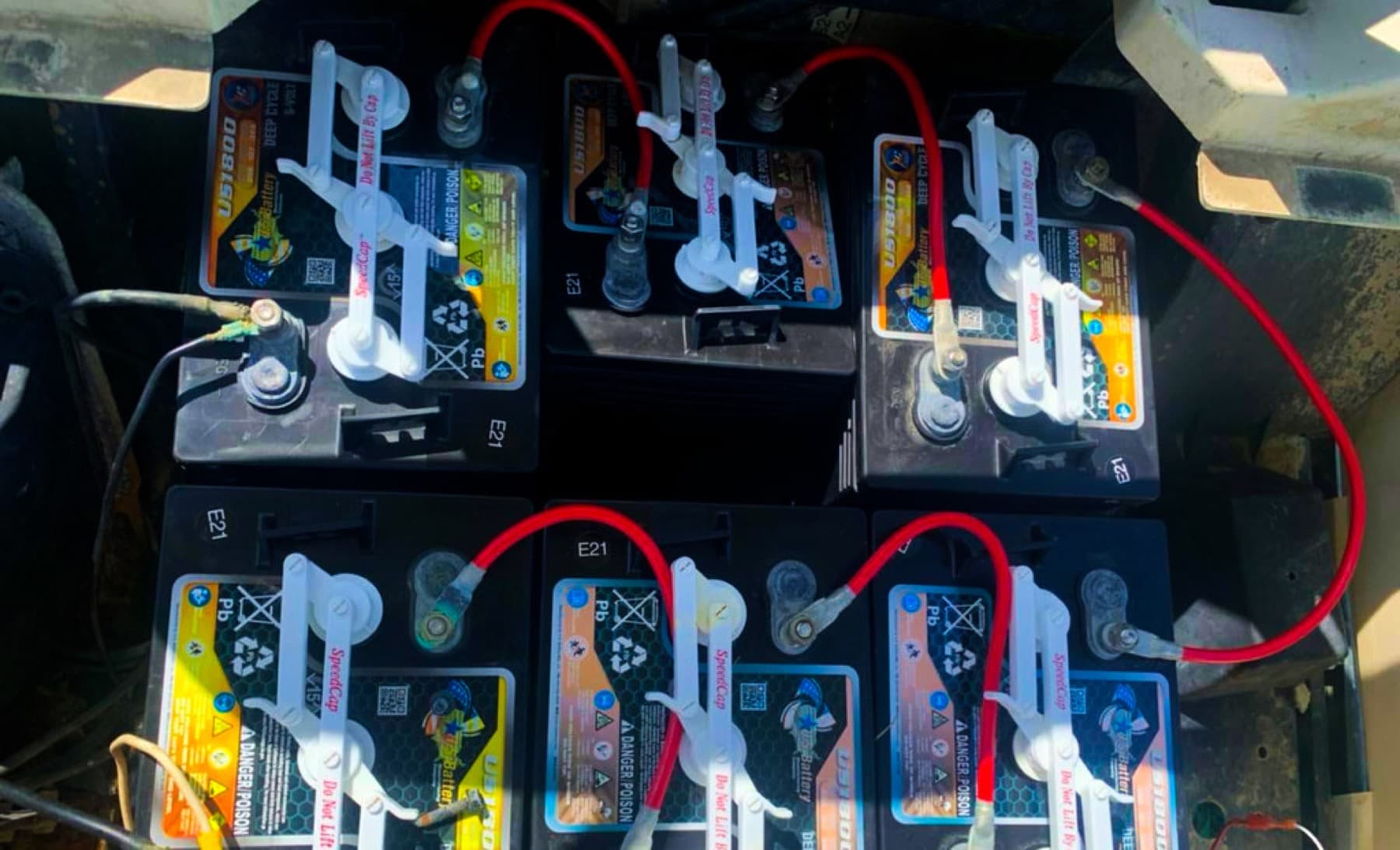
RV Battery Charging From Shore Power, Solar, and Alternator: How the Sources Work Together
A practical guide to charging an RV battery bank from shore power, solar, and alternator input so you can understand what each source does best and where systems get mismatched.

RV Electrical System 101
A beginner-friendly explainer for the basic parts of an RV electrical system and how they work together.
About this coverage
OffGridRVHub Editorial
Independent editorial coverage for off-grid RV systems
OffGridRVHub publishes practical guidance on solar, batteries, water, connectivity, and camping logistics for RVers who want calmer, better-informed decisions. The focus is plain-language system design, realistic tradeoffs, and tools that help readers work from real constraints instead of marketing claims.
Contact the editorial team