


TL;DR
- A good off-grid trip starts with boring prep: full batteries, known water levels, and a realistic power plan.
- The right checklist helps you catch the missing adapter, half-full propane bottle, or overloaded inverter before the trip starts.
- Use this list the night before departure and again when you arrive at camp.
Use the checklist in two passes
The first pass happens before you leave home. That is where you confirm charge levels, tank status, navigation, and gear. The second pass happens when you reach camp. That is where you verify sun exposure, leveling, signal quality, and whether the site matches the plan.
Power system checks
- Charge the battery bank fully before departure
- Confirm shore power disconnected and converter behavior looks normal
- Verify the solar controller is reading correctly
- Check inverter settings, AC outlets, and any remote switch
- Pack charging cables for phones, lights, and work gear
Start with your actual daily load
If you do not know roughly how much power you use in a day, run the solar calculator before the trip. The system is easier to trust when the math matches the habits.
Water and propane checks
- Fill fresh water or decide your exact starting level
- Empty gray and black tanks if possible
- Confirm the water pump is priming and not cycling unexpectedly
- Top off propane if heat, cooking, or the fridge depends on it
- Pack a drinking water backup and one extra container if space allows
Site and route checks
- Confirm the area is legal for your rig size and travel dates
- Save maps offline before losing signal
- Check road conditions, clearance, and turnaround space
- Have one backup campsite or paid campground option
- Review weather, especially wind, cold overnight temps, and cloud cover
Gear and recovery checks
- Leveling blocks
- Sewer and fresh water basics, even if you do not expect hookups
- Gloves, headlamps, and a basic tool kit
- Tire pressure checked on tow vehicle and trailer or motorhome
- Recovery items appropriate for your rig and roads
Arrival-at-camp checks
Sun and shade
Make sure the panel placement or roof exposure still matches the plan. A beautiful shaded site can quietly wreck your charging expectations.
Level and stability
Leveling early helps with fridge performance, sleep quality, and basic comfort. It also makes the rest of setup less rushed.
Noise and etiquette
Notice where nearby campers are before you choose door side, lights, speakers, or generator timing.
What this checklist prevents most often
The big win is not perfection. It is preventing the common trip-killers:
- Arriving with less battery than you thought
- Underestimating water use
- Needing one adapter, cable, or fuse you left at home
- Choosing a site that kills solar input or cell service
- Realizing too late that your fallback plan is an hour away
Final thought
Most off-grid RV stress comes from one missing piece in an otherwise workable setup. A repeatable checklist gives you a better chance of finding that weak point while you can still fix it easily.
Related reading
Keep building the rest of the system.
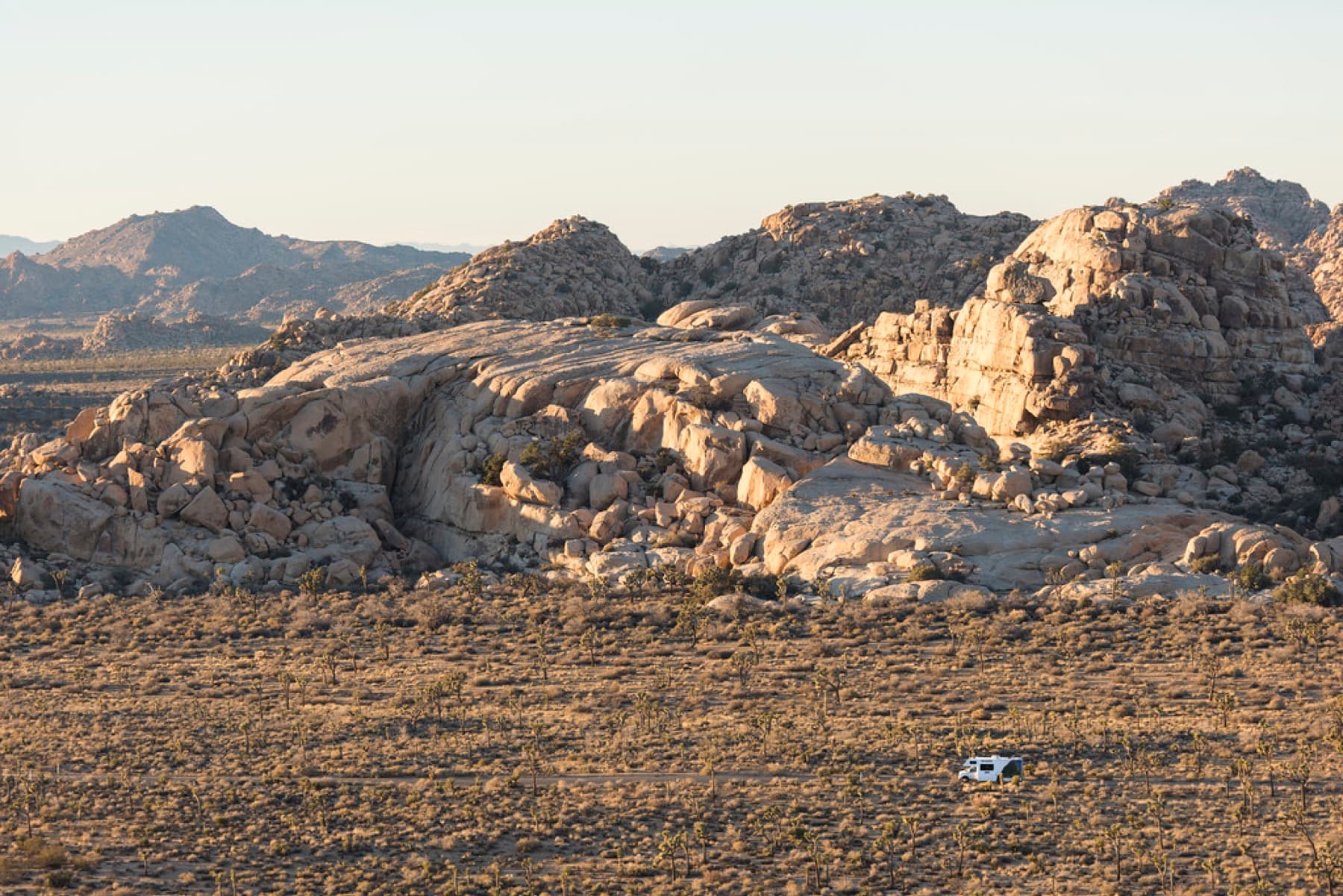
Boondocking 101: The Ultimate Beginner's Guide
A grounded beginner's guide to boondocking in an RV, including planning, etiquette, water use, power, and what catches people off guard.
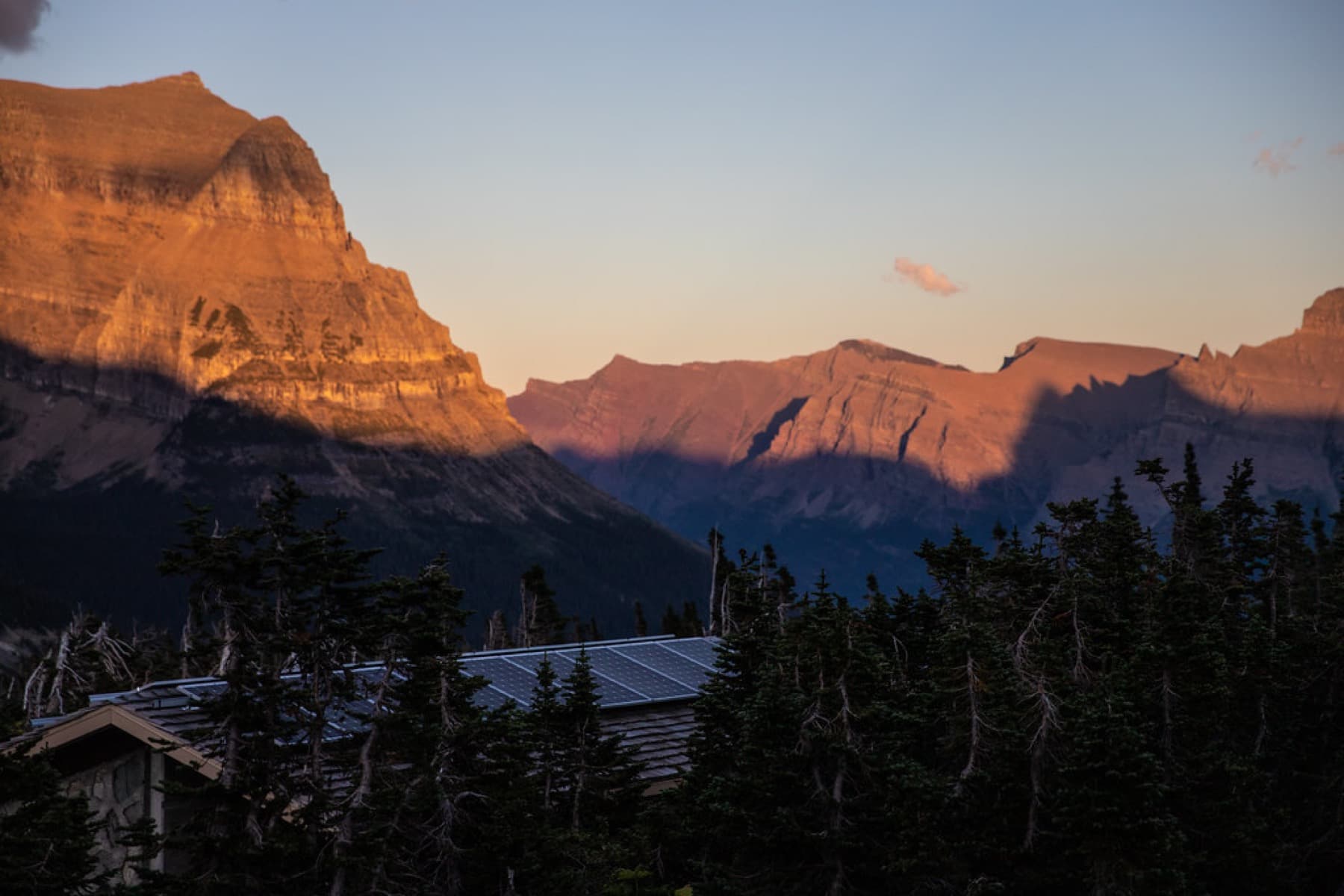
How Many Solar Watts Does Your RV Need?
A practical guide to translating your real daily power use into a solar wattage target that holds up off-grid.
Lithium vs AGM RV Batteries
A practical comparison of lithium and AGM RV batteries, including cost, usable capacity, weight, and who each setup fits best.
Meet the author
Devin Harper
Full-time RVer and off-grid systems writer • On the road since 2019
Devin has spent the last several seasons testing solar, battery, water, and connectivity setups while traveling between desert boondocking zones and mountain shoulder-season camps. The focus is practical system design: enough detail to make confident decisions, without pretending every rig has the same priorities.
Contact the editorial team