

TL;DR
- The best RV battery monitor is usually a shunt-based monitor that tells you state of charge, current flow, and historical use clearly enough to guide decisions.
- A voltmeter alone is not enough for serious off-grid use. Once lithium batteries, inverters, or regular boondocking enter the picture, a real monitor pays for itself quickly.
- Choose based on how you want to read the system: app-first, dedicated display, or more advanced multi-circuit/tank integration.
Battery monitors are less about gadgets and more about better decisions
Most RV power mistakes come from not knowing what the battery bank is actually doing.
That shows up as:
- overconfidence about runtime
- undercharging after travel days
- confusion about hidden loads
- surprise low-voltage mornings
That is why battery monitors matter. A good one tells you how much power is moving, in which direction, and whether your current habits match your assumptions.
What matters in a battery monitor
Shunt-based accuracy
Serious RV battery monitors use a shunt to measure current flow into and out of the battery bank. That is what allows them to estimate state of charge more intelligently than a simple voltage display.
How you want to read the data
Some RVers want a dedicated wall display they can glance at in seconds. Others prefer app-based visibility. Neither is automatically better. The best one is the style you will actually check.
System complexity
If you only need basic battery visibility, a straightforward monitor is enough. If you want multi-bank, tank, and load visibility from one ecosystem, the answer may be more advanced.
| Spec | Best fit | Why it stands out |
|---|---|---|
| Victron SmartShunt | App-first RVers who want clean, modern battery monitoring | Strong data without needing a dedicated display by default |
| Victron BMV-712 Smart | Owners who want both app access and a physical display | A great middle ground between visibility and convenience |
| Simarine Pico or similar advanced monitor | Complex off-grid builds that want broader system visibility | Better fit for owners who want to grow beyond basic battery-only monitoring |
Three battery-monitor paths worth considering
Victron SmartShunt for simple, app-first monitoring
The SmartShunt is one of the easiest strong recommendations in this category because it gives RVers the data they actually need without forcing a dash-mounted display if they do not want one.
That makes it a strong fit for:
- modern lithium builds
- app-comfortable owners
- cleaner interior layouts with fewer added panels
It is especially appealing when the rest of the electrical system is already being managed with a phone in hand.
Victron BMV-712 Smart for display-plus-app convenience
The BMV-712 is often the better fit for RVers who want dedicated at-a-glance information inside the coach. The display matters if multiple people use the rig or if you want state-of-charge visibility without unlocking a phone.
This is a strong option for:
- full-timers
- older rigs getting a better monitoring upgrade
- users who appreciate redundancy between app and panel readout
Simarine Pico for more advanced systems
Simarine’s Pico line makes more sense when the RV’s monitoring ambitions are growing beyond a simple battery number. It is built for owners who want a more integrated cockpit-style view of the system and are willing to learn a more advanced setup.
That is best for:
- complex electrical builds
- multiple battery or tank-monitoring needs
- RVers who want a more polished systems dashboard
The most common buying mistake
The biggest mistake is waiting too long to add a monitor because the batteries seem "fine."
The whole point of a monitor is that it helps you stop guessing before the system becomes stressful. If you regularly boondock, use an inverter, or rely on battery power for work or comfort, monitoring is no longer optional in any practical sense.
A battery monitor improves every other electrical decision
Solar sizing, alternator charging, inverter use, and appliance habits all get easier to understand once you can see real current flow and state of charge instead of guessing from a voltage number.
Final thought
The best RV battery monitor is the one that makes the system easier to understand in the moments that matter. If it helps you stop guessing and start managing the bank with confidence, it is doing its job.
Frequently asked
Questions RVers usually ask next.
Do RVers really need a battery monitor?
If you boondock regularly, use lithium batteries, or rely on inverter power, yes. A real battery monitor turns guesswork into actionable information and usually improves every other electrical decision you make.
Is a voltmeter enough for an RV battery bank?
Not for serious off-grid use. Voltage can tell part of the story, but a shunt-based monitor gives you current flow and better state-of-charge insight.
Is the Victron SmartShunt better than a monitor with a screen?
It depends on how you like to use the system. The SmartShunt is excellent for app-first users, while a screen-based monitor can be better if you want always-visible information inside the coach.
What matters most in an RV battery monitor?
Reliable shunt-based measurement, clear state-of-charge information, and a display style you will actually use consistently.
Compare next
Use these next reads to finish the buying decision.
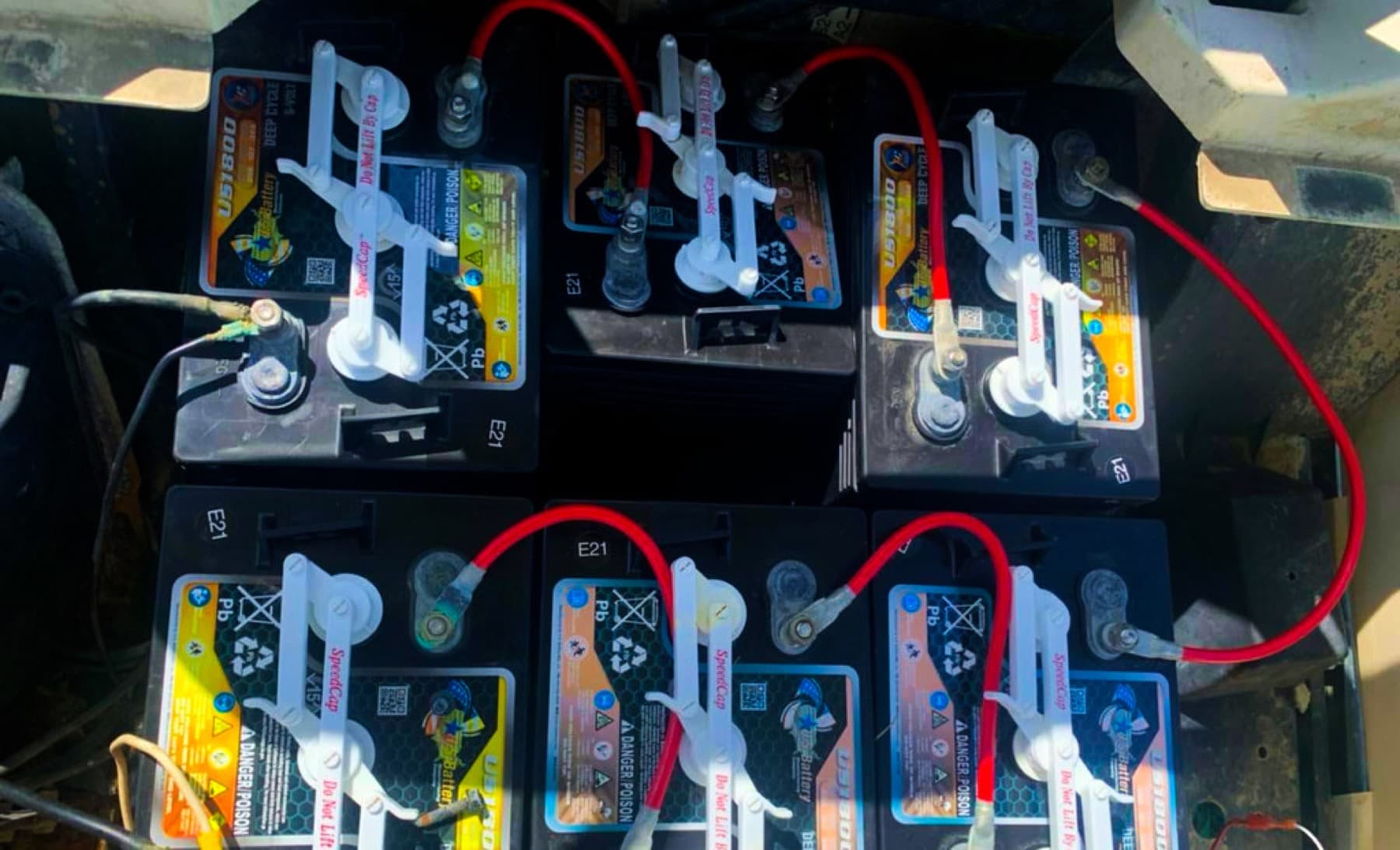
RV Battery Monitor Guide: Why a Shunt Tells You More Than Voltage Alone
A practical guide to RV battery monitors, what they actually measure, and why they are one of the highest-value upgrades in an off-grid electrical system.
How Long Will a 100Ah Battery Last in an RV?
A practical guide to what a 100Ah RV battery can realistically support, including common loads, lithium vs. AGM behavior, and why runtime depends on more than one number.

Best DC-to-DC Chargers for RVs: Which Charging Style Fits the Build
A practical guide to DC-to-DC chargers for RVs, comparing premium, rugged, and value-focused options for alternator charging, solar integration, and modern battery systems.
About this coverage
OffGridRVHub Editorial
Independent editorial coverage for off-grid RV systems
OffGridRVHub publishes practical guidance on solar, batteries, water, connectivity, and camping logistics for RVers who want calmer, better-informed decisions. The focus is plain-language system design, realistic tradeoffs, and tools that help readers work from real constraints instead of marketing claims.
Contact the editorial team