

TL;DR
- AGM batteries rarely fail all at once in a clean dramatic way. More often, they slowly become less trustworthy: weaker mornings, slower recovery, and less confidence under familiar loads.
- The real question is not just whether the battery still technically works. It is whether it still performs well enough to support the kind of trip you actually want to take.
- Before replacing AGM batteries, it is worth checking whether charging behavior, connections, or monitoring assumptions are part of the problem. But once the bank keeps proving it has less margin than it used to, replacement usually becomes the smart call.
AGM batteries usually age by shrinking your margin
One reason AGM battery replacement decisions feel fuzzy is that the bank often does not move from "good" to "dead" overnight. Instead, it slowly gives you less and less confidence.
That might look like:
- mornings that feel tighter than they used to
- a battery monitor or voltage reading that never inspires the same comfort
- loads that once felt normal now feeling more expensive
- trips ending earlier even though your habits did not change much
This is why AGM replacement decisions are often less about visible failure and more about disappearing margin.
Start with changed behavior, not age alone
Age matters, but age by itself is not the best first signal.
A better starting point is:
what does the battery bank do differently now than it did before?
That helps because it anchors the decision in lived performance instead of just in elapsed time. A bank that is still supporting the intended use case with confidence is a different story from a bank that has quietly become the weakest part of every trip.
Common signs your AGM bank is aging out
Weaker overnight performance
If the battery used to get through a normal night comfortably but now feels much lower by morning, that is worth attention.
Slower or less satisfying recovery
If good charging conditions no longer seem to restore the same confidence they once did, the battery may be holding less practical reserve.
Voltage sag under familiar loads
If loads that once felt routine now make the system seem fragile, the bank may be showing its age in real use.
The trip feels smaller even though your habits did not
This is one of the clearest lived signs. The system simply stops feeling roomy enough for the same kind of off-grid day.
Make sure the battery is really the problem
Before replacing the bank, it is worth checking the rest of the system.
Possible look-alikes include:
- charging that has become weaker than expected
- solar performance that has quietly dropped
- loose or stressed connections
- changed loads that the owner did not fully notice
- a monitor that no longer reflects the battery's behavior clearly
The battery may still be the culprit, but replacing it without checking the system can hide a second problem that will still be there after the new bank arrives.
Replacement decisions get easier when you compare the trip, not just the battery
Ask whether the same kinds of nights, workdays, and campsite routines feel materially tighter than they used to. That usually tells you more than staring at the label or age alone.
AGM decline usually matters most for off-grid users
An AGM bank that still feels acceptable for light campground or hookup-supported use may already feel inadequate for boondocking. That is because off-grid travel depends on usable reserve much more directly.
This is why the replacement question should always be tied to the role the bank still has to play:
- Is it just buffering light coach loads?
- Is it still expected to support meaningful off-grid nights?
- Is it being asked to work as hard as it did when it was newer?
The answer changes how tolerant you can be of declining performance.
Replacement becomes the smart move when confidence is gone
There is a point where even careful charging and realistic expectations stop changing the answer. The bank may still function, but it no longer gives you dependable margin for the kind of RV use you care about.
That is usually when replacement makes the most sense:
- not when the battery can do nothing
- but when it no longer does enough, consistently, for the way you travel
This is especially true if you find yourself adapting every trip around the battery instead of around the campsite.
What replacement should solve
When you replace an AGM bank, the goal is not merely "new battery smell." The goal is to restore a level of predictability the rig has been missing.
That might mean:
- more comfortable mornings
- more confident recovery
- less voltage sag
- fewer compromises around normal loads
If a replacement would not solve those frustrations, it is worth re-checking whether the battery is truly the main problem.
Final thought
You do not need to wait for AGM batteries to become obviously unusable before replacing them. If the bank has become the repeated limiter, and the rest of the system checks out, replacement is often the practical decision.
The best time is usually when the pattern is clear enough that you trust the diagnosis and before the battery has a chance to start costing you trips, time, and patience.
Frequently asked
Questions RVers usually ask next.
How do I know if my AGM RV batteries need replacement?
The clearest signs are usually weaker overnight reserve, less satisfying recovery, more voltage sag under familiar loads, and trips that feel tighter even though your habits have not changed much.
Should I replace AGM batteries just because they are old?
Age matters, but changed real-world performance matters more. A better question is whether the bank still supports your actual use case with enough confidence and margin.
Could the charging system be the real problem instead of the batteries?
Yes. Before replacing AGM batteries, it is smart to check charging performance, solar behavior, connections, and monitoring assumptions so a second problem is not hiding behind the battery symptoms.
Do AGM batteries need to be fully dead before replacement?
No. Replacement often becomes sensible once the bank no longer performs well enough for the way you actually travel, even if it still technically works.
Related reading
Keep building the rest of the system.
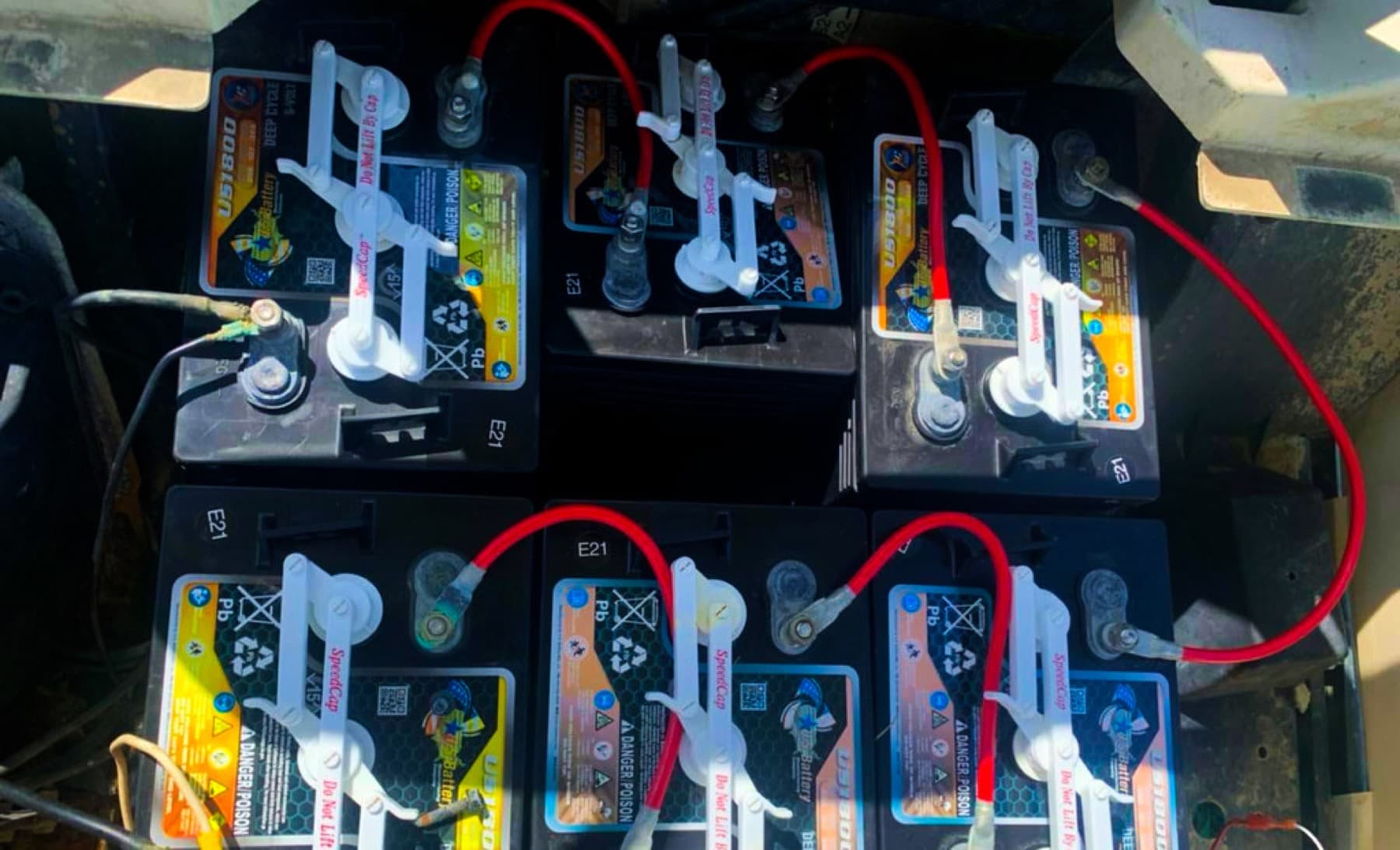
Lithium vs AGM RV Batteries
A practical comparison of lithium and AGM RV batteries, including cost, usable capacity, weight, and who each setup fits best.
RV Battery Maintenance Guide: What to Check So Your Bank Stays Predictable
A practical RV battery maintenance guide covering terminals, charging habits, monitoring, storage, and the differences between caring for lithium and AGM systems.
RV Battery Monitor Guide: Why a Shunt Tells You More Than Voltage Alone
A practical guide to RV battery monitors, what they actually measure, and why they are one of the highest-value upgrades in an off-grid electrical system.
About this coverage
OffGridRVHub Editorial
Independent editorial coverage for off-grid RV systems
OffGridRVHub publishes practical guidance on solar, batteries, water, connectivity, and camping logistics for RVers who want calmer, better-informed decisions. The focus is plain-language system design, realistic tradeoffs, and tools that help readers work from real constraints instead of marketing claims.
Contact the editorial team