

TL;DR
- Battery maintenance is really about preserving predictability. A good bank should not surprise you with sudden weakness unless conditions or usage patterns truly changed.
- Most maintenance value comes from simple checks: terminals, charging behavior, storage habits, and whether the monitor still matches how the bank actually feels in use.
- Lithium and AGM do not want identical treatment, but both benefit from good charging discipline, clean connections, and enough attention that small issues get caught early.
Battery maintenance is less about fussing and more about trend awareness
Most RVers do not want a battery routine that feels like a part-time job. They want a system that works. That is reasonable.
The good news is that battery maintenance usually does not require constant tinkering. What it does require is occasional attention to the signs that the bank is behaving differently than it used to.
That difference matters because the earliest warning signs are often subtle:
- weaker morning reserve
- slower recovery
- more voltage sag under familiar loads
- a growing mismatch between what the monitor says and how the system feels
The earlier those patterns are noticed, the easier they are to interpret.
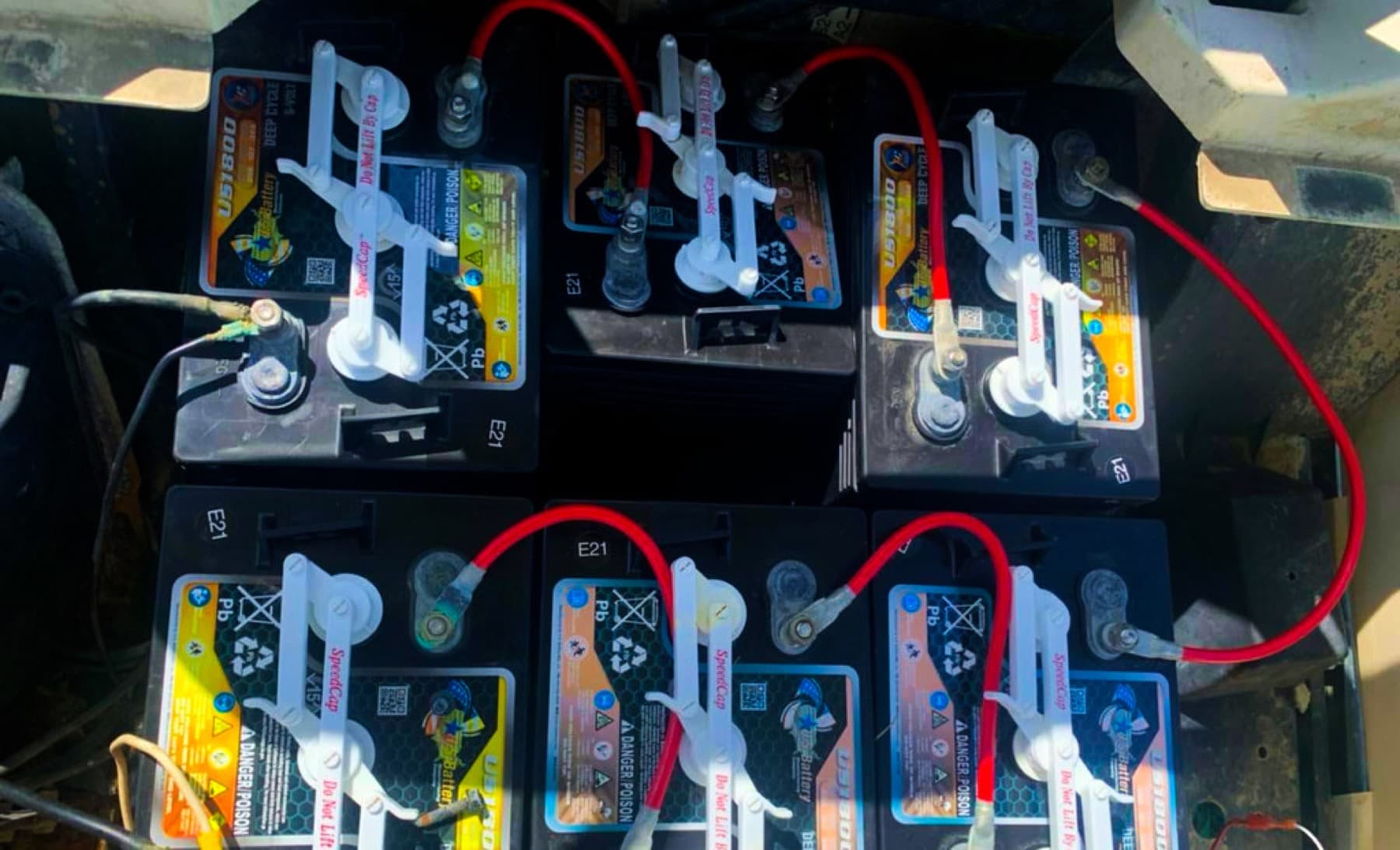
Connections deserve more attention than most people give them
Whether the bank is lithium or AGM, clean, secure, easy-to-understand connections are a major part of battery health in daily use.
Loose, dirty, or stressed connections can create:
- misleading performance symptoms
- charging inconsistency
- heat
- confidence loss in the whole electrical system
That is why terminal and connection checks remain one of the most useful low-effort maintenance habits.
Charging habits shape battery life more than many people expect
A battery bank that is charged well and used within the system's actual design tends to stay much more predictable over time.
Problems often appear when the rig is repeatedly:
- left behind on recovery
- pushed hard without enough recharge opportunity
- used with charging settings that no longer match the bank
- stored or parked without a clear charging strategy
This is especially important if the system has changed since the original install. A different controller setting, inverter behavior, or trip pattern can shift how the bank experiences daily use.
Lithium and AGM maintenance are not identical
This is where vague battery advice often goes wrong.
Lithium and AGM can both live very well in RVs, but they do not reward the same assumptions equally.
AGM care tends to be more sensitive to:
- chronic partial charging
- age-related decline in a way that can feel gradual but frustrating
- performance loss that sneaks in through repeated under-recovery
Lithium care tends to focus more on:
- matching the charging system well
- understanding cold-weather charging behavior
- preserving confidence in monitoring and overall system fit
The practical takeaway is simple: maintenance should match the chemistry, not just the fact that both are called batteries.
Good maintenance should make the bank boring
The best battery bank is not the one you think about constantly. It is the one that behaves predictably enough that the rest of the rig can fade into the background most of the time.
Storage periods deserve a plan
Some of the most confusing battery issues appear after the RV has spent time sitting.
That is why storage periods should not be treated as a non-use phase where nothing matters. Storage still affects:
- battery state
- confidence at the next departure
- whether small system issues get masked until the first real trip
A good storage plan depends on the chemistry and system, but the larger principle is the same: do not let long idle periods become a blind spot.
Monitoring is part of maintenance, not just part of camping
A battery monitor is not only useful while you are actively off-grid. It is also useful as a maintenance clue because it helps reveal:
- whether recovery trends changed
- whether the bank behaves differently than it used to
- whether one kind of load now feels more expensive than it once did
This is why a well-used monitor often reduces unnecessary replacement anxiety. It gives you more evidence about what is real.
Signs your maintenance attention is overdue
You do not need a formal service schedule to notice the bank wants a closer look.
Common signs:
- the battery feels weaker under familiar loads
- sunny or shore-powered recovery does not inspire the same confidence
- the monitor seems less trustworthy than before
- the rig feels electrically tighter on trips that used to feel easy
- terminals or wiring no longer look calm and orderly
These are not always catastrophic problems. They are invitations to inspect before the system makes the decision for you.
The goal is useful life you can trust
Battery maintenance is successful when:
- the bank behaves predictably
- charging feels aligned with expectations
- service access is still reasonable
- the system gives you fewer surprises, not more
That is much more useful than chasing the idea of a perfectly maintained battery bank that is still hard to live with.
Final thought
If the battery bank feels increasingly mysterious, maintenance is usually less about doing more and more about noticing better. Clean connections, appropriate charging habits, storage awareness, and good monitoring usually solve far more than heroic intervention does.
Frequently asked
Questions RVers usually ask next.
What is the most important RV battery maintenance habit?
One of the most valuable habits is paying attention to trends rather than waiting for a major failure. Clean connections, sensible charging behavior, and awareness of how the bank normally performs make issues much easier to catch early.
Do lithium and AGM batteries need the same maintenance?
No. They both benefit from clean connections and good charging discipline, but the details of what stresses them most differ. Maintenance should match the chemistry and how the battery is used in the system.
Why does battery storage planning matter?
Because idle periods can still affect battery state and how the system behaves on the next trip. A battery left without a clear storage plan can create confusing performance questions later.
Can a monitor help with battery maintenance?
Yes. A monitor helps you see usage and recovery trends over time, which makes it easier to notice when the battery bank is behaving differently than it used to.
Related reading
Keep building the rest of the system.
RV Battery Monitor Guide: Why a Shunt Tells You More Than Voltage Alone
A practical guide to RV battery monitors, what they actually measure, and why they are one of the highest-value upgrades in an off-grid electrical system.
How to Size an RV Battery Bank Without Guessing From Amp-Hours Alone
A practical guide to sizing an RV battery bank using daily watt-hours, autonomy goals, chemistry tradeoffs, and real camping habits.

RV Solar Maintenance Guide: What to Check Before Small Problems Turn Into Output Loss
A practical guide to RV solar maintenance, including panel cleaning, cable checks, controller review, seasonal habits, and the signs that something is underperforming.
About this coverage
OffGridRVHub Editorial
Independent editorial coverage for off-grid RV systems
OffGridRVHub publishes practical guidance on solar, batteries, water, connectivity, and camping logistics for RVers who want calmer, better-informed decisions. The focus is plain-language system design, realistic tradeoffs, and tools that help readers work from real constraints instead of marketing claims.
Contact the editorial team