

TL;DR
- A good RV solar install starts on paper: daily usage, panel location, cable routes, fuse points, and controller placement all matter before the first hole is drilled.
- The cleanest systems are usually the simplest ones. Short cable runs, accessible breakers, labeled wires, and obvious shutoff points make the system easier to live with and easier to repair.
- Commissioning matters as much as installation. If you do not verify voltages, current flow, controller settings, and inverter behavior before the first trip, small mistakes can hide until they become expensive.
Start with a design, not a shopping cart
Many RV solar projects go sideways before the first component arrives. The owner buys panels because the deal looks good, adds a battery because the chemistry sounds modern, and only later tries to figure out how the pieces actually work together. That creates a system built around product pages instead of a daily power budget.
The better sequence is:
- Estimate daily watt-hours
- Decide how many low-sun days you want to cover
- Choose battery chemistry and system voltage
- Size panels around realistic charging conditions
- Pick controller, wiring, fusing, and inverter to support that system
If you have not run the math yet, start with the solar calculator and then compare the result against your roof space, budget, and camping habits.
Decide what kind of install you are actually building
The phrase "RV solar install" can describe several very different systems:
- A small weekend setup that keeps lights, fans, and charging ports comfortable
- A moderate off-grid setup that supports a compressor fridge, work devices, and normal everyday loads
- A remote-work setup with heavier laptop, router, screen, and inverter use
- A more advanced system designed to reduce generator use for extended travel
Those are not just different panel counts. They influence wire size, controller amperage, inverter location, battery bank size, and whether the project should stay at 12V or move up in complexity.
Plan for your real usage pattern
A system that works beautifully for two-night weekend trips may feel undersized for a week of cloudy travel days, and a system designed around all-day remote work can be unnecessary weight and cost for a casual camper. Match the install to the way the rig is used most often.
Roof-mounted, portable, or hybrid?
Before you get into cable routing and hardware placement, settle the collection strategy.
Roof-mounted solar
Roof-mounted panels are the easiest to live with once installed. They charge whenever the sun is out, require very little daily setup, and work well for travelers who move often or do not want to babysit equipment. They are also harder to steal and harder to forget.
The tradeoff is shade. A beautiful campsite with even partial morning or afternoon shade can dramatically reduce production. Roof panels also lock you into the roof geometry you have, which means air conditioners, vents, antennas, and rack hardware all become design constraints.
Portable solar
Portable panels are attractive when you camp in shade but can place the panel in sun. They also work well for small systems where mobility matters more than permanent convenience. The downside is daily setup, theft risk, wind exposure, storage space, and more human error. Portable systems are often described as "more flexible," but they are also more demanding.
Hybrid solar
For many RVers, the sweet spot is a hybrid. A roof array carries the base load, while a portable panel fills in during shoulder seasons, shaded camps, or longer stays. A hybrid system is rarely the cheapest first setup, but it can be the most forgiving.
The more detailed comparison is in Portable vs. Roof Solar for RVs.
Lay out the system on paper first
Once the collection strategy is clear, sketch the full system path. It does not need to be beautiful, but it does need to show:
- Panels or portable input
- Combiner or branch points
- Charge controller
- Battery bank
- Main fuse or breaker
- Bus bars if used
- Shunt if you run a battery monitor
- Inverter or inverter/charger
- Grounding points
- Disconnects or obvious service points
This drawing is where most install quality is won or lost. If the wiring route is vague on paper, it will probably be messy in the rig.
Prioritize accessible equipment placement
People often obsess over where the panels go and underestimate where the controller, fuse blocks, shunt, and inverter should live.
Good placement usually means:
- Dry location
- Reasonable airflow
- Short practical cable runs
- Easy access for inspection and reset
- Enough room for service loops, terminals, and future maintenance
Bad placement usually means:
- Buried behind furniture
- Cramped cabinet corners with poor ventilation
- Long cable runs because the equipment was put wherever it fit
- Disconnects that are hard to reach when something goes wrong
Charge controller placement
The controller should usually be closer to the battery bank than to the roof entry point. Voltage drop on the battery side matters because that is where charging accuracy and current delivery become important. A controller mounted conveniently near the roof penetration but far from the battery may create longer high-current runs than necessary.
Inverter placement
Inverters can draw significant current, so short, heavy battery cables matter. They also create heat, and some models create fan noise. That means the ideal location is often close to the battery bank but not in the same sealed compartment, not blocked for cooling, and not where fan noise will make the cabin miserable.
Think about serviceability while you install
Most RV electrical frustration shows up later, not on install day. Six months from now you may be tracing a low-voltage issue, replacing a fuse, changing battery settings, or verifying why the controller is limiting charge. That is why neatness is not just aesthetic.
Build the install so future-you can answer these questions quickly:
- Which cable is panel input and which is battery output?
- Where is the first disconnect?
- Which fuse protects which run?
- How do you isolate the inverter?
- Can you read the controller and shunt without moving three bins and a ladder?
Labeling is underrated. Even a basic label maker or durable handwritten tags can turn a confusing cabinet into a serviceable system.
Size wire around current, distance, and heat
People sometimes talk about wire size as if there is one universal answer for "RV solar." There is not. Wire size depends on current, voltage, run length, acceptable voltage drop, and installation environment.
The practical principle is simple:
- Higher current needs thicker cable
- Longer runs need thicker cable
- Low-voltage systems punish undersized cable quickly
On the roof side, you may have smaller wire runs depending on panel arrangement and current. On the battery and inverter side, currents rise quickly and cable sizing becomes much less forgiving.
Avoid false economy here
Undersized cable often looks cheaper only on the invoice. In practice, it can create:
- Lower charging performance
- Hot connections
- Voltage drop that confuses equipment
- Inverter low-voltage shutdowns under load
- Hard-to-diagnose behavior that wastes time later
If the budget is tight, it is usually smarter to reduce system size slightly than to cut corners on wiring and protection.
Fusing and protection should be obvious
Every major positive run should have a clear protection strategy. The exact layout depends on the system, but the install should make it obvious what is protecting:
- Panel inputs or branch circuits where applicable
- Controller-to-battery run
- Battery-to-bus or battery-to-inverter runs
- Any accessory distribution fed from the main battery system
The goal is not just code-like neatness. The goal is containing faults and making it easy to de-energize parts of the system deliberately.
Do not treat fuses as optional polish
A fuse is not there because the system is expected to fail. It is there because if a short or fault does happen, the wire should not be the thing that decides how bad the outcome becomes.
Roof layout matters more than many beginners expect
Panel placement on the roof is not just about fitting rectangles into open space.
You are balancing:
- Shade from air conditioners, vents, antennas, or cargo
- Walking and service access
- Mounting confidence
- Cable entry location
- Cleaning access
- Future expansion
If one panel will spend a large part of the day partially shaded by roof equipment, your real-world production may disappoint even if the total nameplate wattage looks strong on paper.
Keep cable entry intentional
Choose a cable entry point that supports a clean route inside the rig. A convenient roof path that leads to an ugly interior route is usually not convenient at all. Good cable entry planning can save hours of awkward fishing and reduce the temptation to leave exposed or poorly supported wiring inside cabinets.
Build the install in a deliberate order
A calm install sequence usually looks something like this:
- Mock the full layout
- Confirm all cable lengths and hardware placement
- Mount panels and roof hardware
- Route and secure panel wiring
- Install the charge controller and related protection hardware
- Install bus bars, shunt, and battery connections
- Install inverter if the system includes one
- Double-check torque, polarity, and fuse placement
- Connect in the correct sequence
- Commission and test the system
Do not rush the "double-check polarity" step. Many expensive mistakes are just reversed connections made at the end of a long day.
Commission the system like you expect to troubleshoot it later
Commissioning is where you prove the design behaves the way you expect.
Check:
- Open-circuit panel voltage where appropriate
- Battery resting voltage before solar begins charging
- Controller detection of battery chemistry and charge profile
- Charging current under sun
- Shunt or battery monitor readings
- Inverter output under a known test load
- Any unexpected heat, alarms, or voltage sag
Take a few photos of final cable routes and terminal locations before everything disappears behind panels or trim. Those reference photos can be extremely helpful later.
Common RV solar install mistakes
The most common install problems are not usually advanced. They are basic process mistakes:
- Designing from product marketing instead of a load profile
- Mounting equipment wherever it fits instead of where it can be serviced
- Running cables farther than necessary
- Treating fuse placement as an afterthought
- Forgetting ventilation around controllers or inverters
- Failing to label runs or document the layout
- Skipping final testing because "everything powers on"
Another common mistake is assuming the install is complete once the hardware is mounted. The real finish line is confidence in the behavior: charging looks right, voltage sag looks reasonable, the inverter behaves as expected, and you know how to shut down and inspect the system.
When to DIY and when to hand it off
A DIY install can make a lot of sense if:
- You are comfortable reading schematics and installation manuals
- You have access to the right tools
- The system is relatively straightforward
- You can work slowly and verify each step
Professional help makes more sense when:
- The rig has difficult routing or unusual electrical constraints
- You are combining multiple charging sources and inverter loads
- You do not feel confident selecting wire, protection, or cable termination methods
- The consequence of downtime is high because the RV supports full-time travel or work
There is no shame in using outside help for the parts that carry the most risk. Plenty of strong DIY projects still benefit from a design review or a final inspection.
What a good finished install feels like
A good RV solar install often feels boring after the work is done. You stop thinking about it constantly. The controller reads normally. The battery monitor matches reality. The inverter is predictable. You know where the fuses are. You know how to isolate the system. You trust the numbers because the system was built around them.
That is the real goal. Not a dramatic wattage number, and not a cabinet full of expensive gear. A good install reduces uncertainty.
Final thought
The strongest RV solar systems are usually not the flashiest ones. They are the systems where layout, protection, cable routing, and testing all support the same goal: a setup that behaves predictably and can be maintained without guesswork.
If the install is clean, the math is realistic, and the protection strategy is obvious, the system tends to feel much better in daily use.
Frequently asked
Questions RVers usually ask next.
Should I install RV solar myself?
DIY can work well if the system is straightforward and you are comfortable with layout planning, cable sizing, and safe electrical practices. If you are unsure about protection, inverter wiring, or difficult routing, professional help is usually cheaper than fixing a bad install later.
Where should the solar charge controller go in an RV?
Usually closer to the battery bank than to the roof entry point. That keeps the battery-side run shorter and improves charging accuracy and current delivery.
What is the most common RV solar install mistake?
Building around product deals instead of daily usage math. The second most common mistake is poor serviceability: equipment buried in cramped spaces with no clear disconnects or labels.
Do I need an inverter for an RV solar system?
Only if you need to run AC loads. Many smaller off-grid systems support lights, fans, charging ports, and 12V appliances well without a large inverter.
Related reading
Keep building the rest of the system.

How Many Solar Watts Does Your RV Need?
A practical guide to translating your real daily power use into a solar wattage target that holds up off-grid.
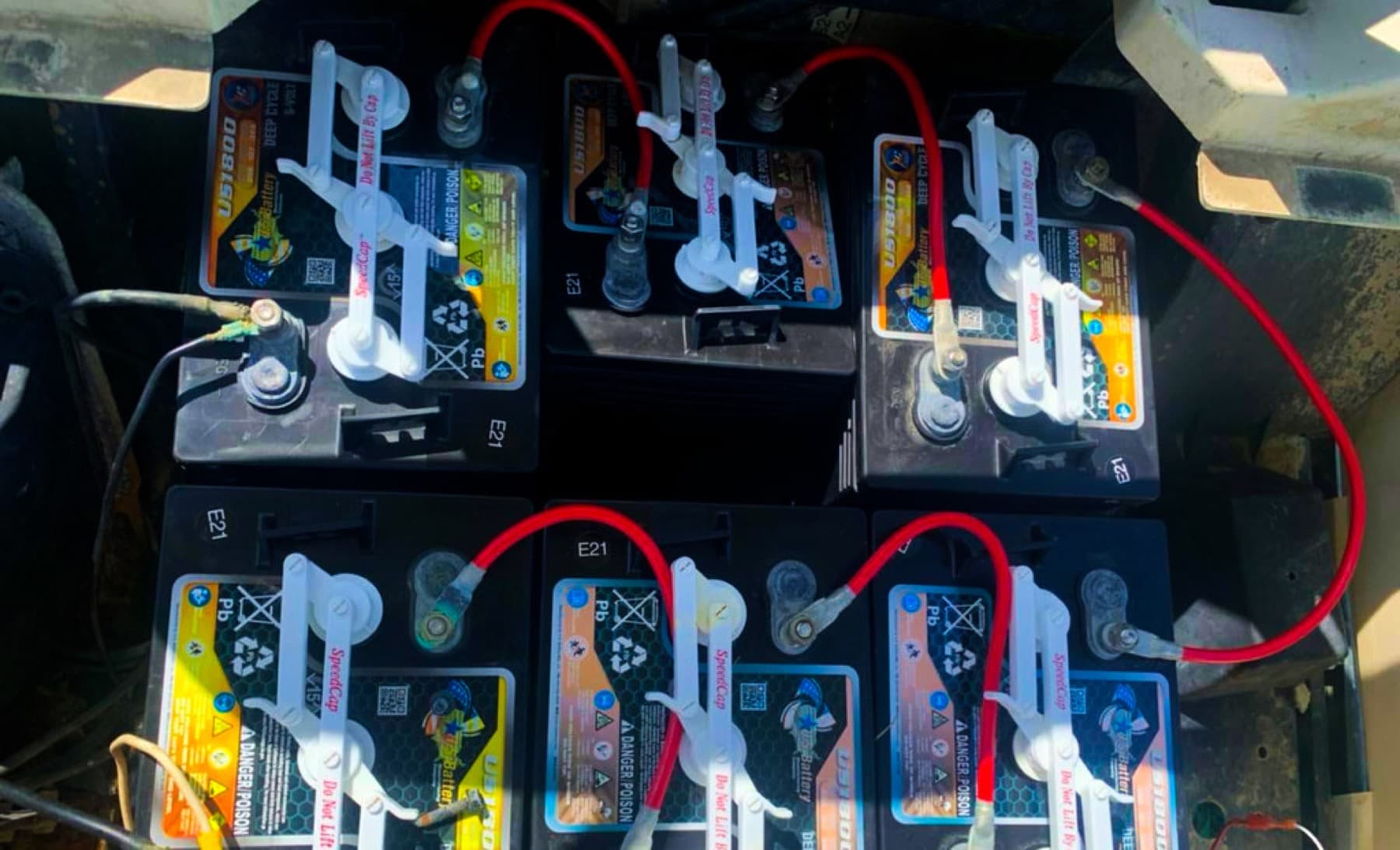
How to Size an RV Battery Bank Without Guessing From Amp-Hours Alone
A practical guide to sizing an RV battery bank using daily watt-hours, autonomy goals, chemistry tradeoffs, and real camping habits.

RV Electrical System 101
A beginner-friendly explainer for the basic parts of an RV electrical system and how they work together.
About this coverage
OffGridRVHub Editorial
Independent editorial coverage for off-grid RV systems
OffGridRVHub publishes practical guidance on solar, batteries, water, connectivity, and camping logistics for RVers who want calmer, better-informed decisions. The focus is plain-language system design, realistic tradeoffs, and tools that help readers work from real constraints instead of marketing claims.
Contact the editorial team