


TL;DR
- The best Starlink mount for an RV depends on whether you optimize for fast campsite setup, driving convenience, or the ability to move the dish away from trees.
- Roof-rack and permanent-style mounts are best when Starlink is part of your regular work setup. Pole and ladder options are often better when you need flexibility around campsite obstructions.
- The mount should support the travel pattern, not fight it. A mount that is theoretically stronger but annoying to deploy can be the wrong answer in real RV life.
The mount matters almost as much as the internet hardware
Starlink discussions often focus on the dish and the plan, but the mount is what determines whether the system is convenient enough to use well.
That matters because RV campsites are messy:
- trees block the sky
- roofs have other hardware in the way
- ladders are not always ideal mounting points
- travel days reward simple setups
The best mount is the one that fits your most repeated use case, not the one with the most dramatic install photos online.
What matters most in a Starlink RV mount
Flexibility vs permanence
A permanent roof or rack mount is attractive because it is clean and repeatable. But that same permanence can become a weakness in tree-heavy camps where you need the dish away from the coach.
Travel simplicity
If you set up and tear down often, a fiddly mount becomes frustrating fast.
Cable routing and roof reality
The right mount on the wrong roof is still the wrong setup. Clearance, obstructions, and cable-entry planning matter.
| Spec | Best fit | Why it stands out |
|---|---|---|
| Starlink Mini Roof Rack Mount | Travelers who want a clean, official roof-rack solution | Purpose-built for rack mounting with a simple, integrated feel |
| Flagpole Buddy ladder or pole-style setup | RVers who want flexibility without committing to permanent roof placement | Lets the dish move with campsite conditions and travel needs |
| Star-Mount RV-focused hard mount | Owners building a more permanent coach-mounted setup | A stronger fit when Starlink is becoming part of the rig’s everyday infrastructure |
Three mounting approaches worth considering
Official Starlink Mini roof-rack mounting
Starlink’s own Mini Roof Rack Mount is an easy answer when the RV already has a rack and the goal is a clean, repeatable setup. Official accessories matter here because they reduce guesswork around compatibility and expected use.
This path fits best when:
- the rack location has a good view
- you move frequently
- you value a clean, quick deployment routine
It is less ideal when tree-heavy camping is common and you regularly need the dish separated from the coach.
Ladder or pole-based flexible mounting
Flagpole Buddy and similar pole/ladder systems earn attention because they give RVers options. Instead of locking Starlink to one spot on the roof, they let you raise or reposition the dish based on the site.
This is often the smartest fit for:
- campers who encounter partial obstructions often
- RVers who do not want a permanent roof commitment yet
- people who value adjustability over a slick permanent install
The tradeoff is that more flexibility usually means more setup involvement.
Permanent-style RV mounts
Star-Mount and similar RV-specific hard mounts make sense when Starlink is becoming part of the coach’s long-term identity, not just an occasional accessory. This is the route for people who know they use the system often enough that a cleaner permanent installation is worth it.
This is best for:
- full-timers
- consistent remote workers
- coach owners willing to optimize cable routing and roof layout
The most common mistake
The biggest mistake is choosing a mount based only on how good it looks parked in an open lot. Real campsites add:
- trees
- height limits
- roof clutter
- tear-down fatigue
That is why flexible mounting often beats permanent mounting for travelers who do not stay in open-sky sites consistently.
Do not separate mount choice from campsite reality
The cleaner the permanent installation, the less flexible it often becomes in obstructed camps. If you work from the road in wooded or mixed-terrain sites, mount flexibility may matter more than visual neatness.
Final thought
The best RV Starlink mount is the one that makes connectivity repeatable without turning setup into a chore. If it fits the way you camp, where you camp, and how often you move, it is probably the right mount class for your rig.
Frequently asked
Questions RVers usually ask next.
Is a permanent roof mount best for Starlink in an RV?
Not always. It is best when the roof has a reliable sky view and you want a clean, repeatable setup. If you camp in wooded areas often, a more flexible mount may be the smarter choice.
Can RVers mount Starlink on a ladder or pole?
Yes, and that flexibility can be very useful when campsite obstructions make fixed roof placement less reliable.
What matters most in an RV Starlink mount?
Balance setup speed, obstruction flexibility, cable routing, and how often Starlink is part of your regular work or travel routine.
Is an official Starlink mount always the best choice?
Official mounts are often the cleanest compatibility answer, but third-party RV-oriented mounts can be better when your campsite flexibility needs are more demanding.
Compare next
Use these next reads to finish the buying decision.
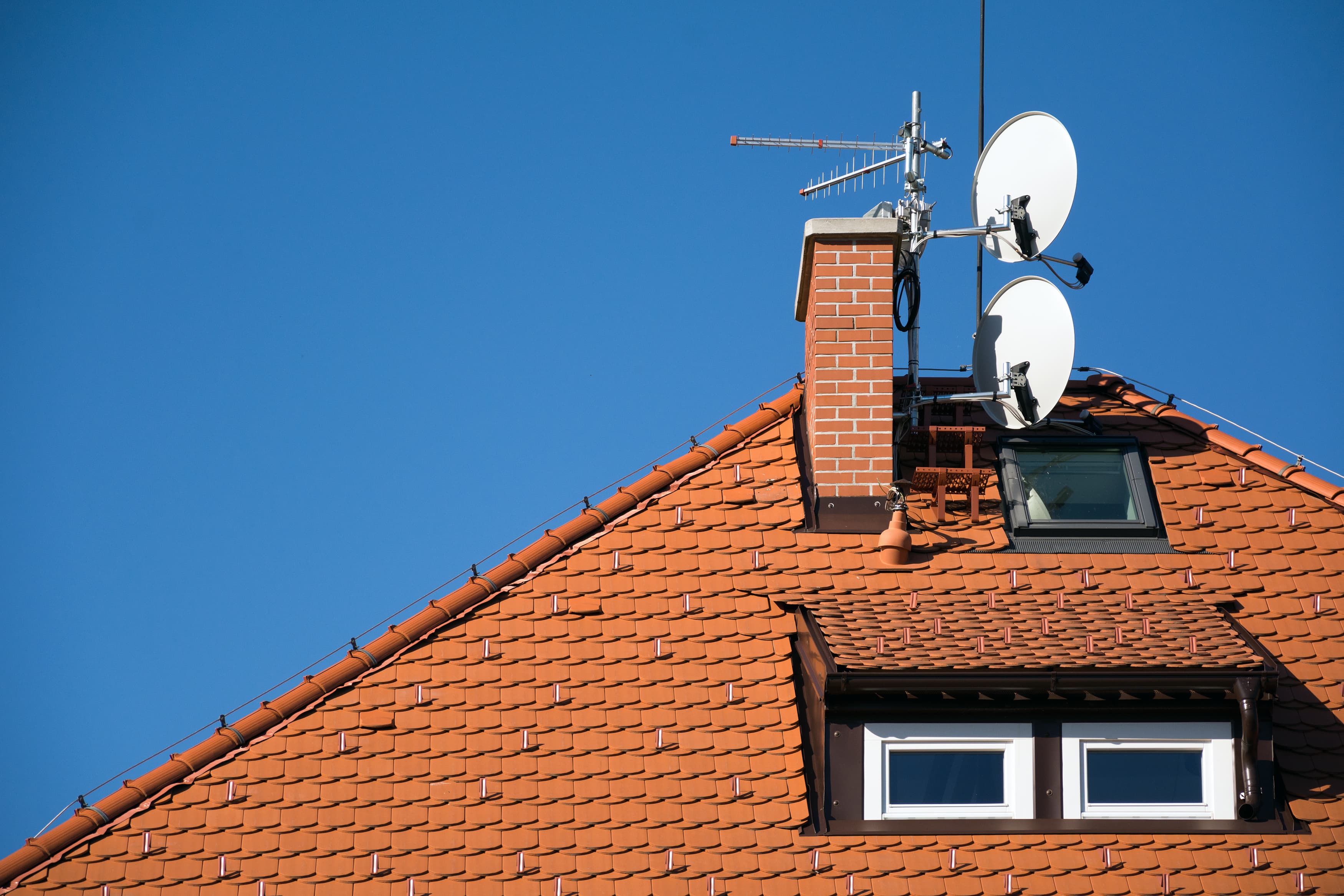
Starlink Mini for RVers: Who It Fits Best
A practical look at when Starlink Mini makes sense for RV travelers, and when a simpler hotspot setup is still the smarter choice.
Starlink vs. Hotspot for RVers: Which Internet Setup Actually Fits Your Workday?
Compare Starlink and hotspot setups for RV travel by signal reliability, power draw, cost, setup friction, and who each system really fits.
How to Take Video Calls From an RV Without Fighting Your Setup All Day
A practical guide to taking reliable video calls from an RV, including internet planning, power timing, audio quality, background control, and what to do before a call starts.
About this coverage
OffGridRVHub Editorial
Independent editorial coverage for off-grid RV systems
OffGridRVHub publishes practical guidance on solar, batteries, water, connectivity, and camping logistics for RVers who want calmer, better-informed decisions. The focus is plain-language system design, realistic tradeoffs, and tools that help readers work from real constraints instead of marketing claims.
Contact the editorial team