

TL;DR
- The best water-saving upgrade is the one that changes a daily habit without making the RV feel annoying to live in. Comfort still matters.
- Most useful upgrades either reduce flow, improve storage flexibility, or make it easier to notice waste before the tank situation becomes a problem.
- If a water-saving product looks clever but does not fit your actual boondocking routine, it usually ends up as clutter instead of a meaningful autonomy upgrade.
Water-saving upgrades work best when they support behavior
Boondocking water conversations often drift into gadget lists that sound efficient but never change the real trip. That happens because water conservation is not only a hardware issue. It is a routine issue.
The best upgrades are the ones that make better habits easier:
- less water running casually
- easier carrying and refill strategy
- less gray-tank pressure from cleanup
- less temptation to use water like hookups are still attached
That is what turns a product into an actual off-grid improvement.
The most valuable upgrade categories
Low-flow shower hardware
This is one of the most direct ways to reduce gray-water pressure without changing the whole feel of the bathroom routine. A better shower setup can stretch stays meaningfully if showers are one of your biggest water drains.
Better external water carry
Extra water containers often create more autonomy than people expect because they extend the trip without requiring a full departure and reset. This matters most when your main limiter is fresh water, not power.
Smarter sink and dish workflow helpers
Sometimes the biggest gain is not a major install. It is a simpler cleanup setup that reduces how much water runs thoughtlessly during dishes and hand washing.
Tank awareness and refill planning tools
The more clearly you understand the water picture, the less likely you are to waste it early or panic late.
Good upgrades should reduce friction, not increase it
This is the most useful buying filter.
Ask:
- will this make a daily task easier or just more complicated?
- does it help conserve water in a repeatable way?
- will we actually use it every trip?
That is why a modest practical upgrade often beats a more dramatic one. If the upgrade fits naturally into the RV routine, it keeps paying off.
Three upgrade types that create real value fast
Low-flow shower improvement
Best for:
- rigs where shower use drives gray-tank fill
- couples or families trying to stretch multi-day stays
- RVers who want conservation without sacrificing every shower
Portable water-carry improvement
Best for:
- camps where refill logistics are manageable
- rigs whose stay length is usually capped by fresh water
- travelers who want more flexibility without a major system redo
Cleanup efficiency tools
Best for:
- RVers who cook regularly while off-grid
- rigs where dish habits are filling the gray tank quickly
- crews trying to make conservation more automatic
| Spec | Best fit | Main benefit |
|---|---|---|
| Low-flow shower upgrade | Shower-heavy rigs | Less water used without making the bathroom feel useless |
| Portable water storage | Fresh-water-limited trips | More off-grid days before a full move becomes necessary |
| Kitchen cleanup helper | Cooks and extended stays | Lower gray-water pressure from everyday dish routines |
What to avoid
Water-saving gear disappoints when:
- it is so inconvenient you stop using it
- it saves little but adds clutter
- it solves a tiny problem while ignoring the actual limiter
That is why you should buy based on your trip pattern, not on generic efficiency claims.
Final thought
The best water-saving upgrades are not the ones that make you think about water all day. They are the ones that quietly help your tanks last longer while the trip still feels normal.
That is the real goal: more autonomy without more resentment.
Frequently asked
Questions RVers usually ask next.
What is the best water-saving upgrade for most boondockers?
A low-flow shower improvement or a better external water-carry plan often creates the biggest practical gain, depending on whether your trips are more limited by gray-water fill or fresh-water supply.
Are water-saving upgrades more important than solar upgrades sometimes?
Yes. Many off-grid stays are limited by water before they are limited by power. If fresh or gray capacity is ending the trip first, water-saving upgrades can create more value than electrical upgrades.
How do I know if a water-saving product is worth it?
The best test is whether it fits naturally into a habit you repeat often. If it saves water in theory but adds too much friction, it usually does not create much real-world value.
Do I need a lot of gear to improve boondocking water use?
No. Often a few well-chosen improvements plus better habits create more value than a pile of clever accessories that never become part of the actual routine.
Compare next
Use these next reads to finish the buying decision.
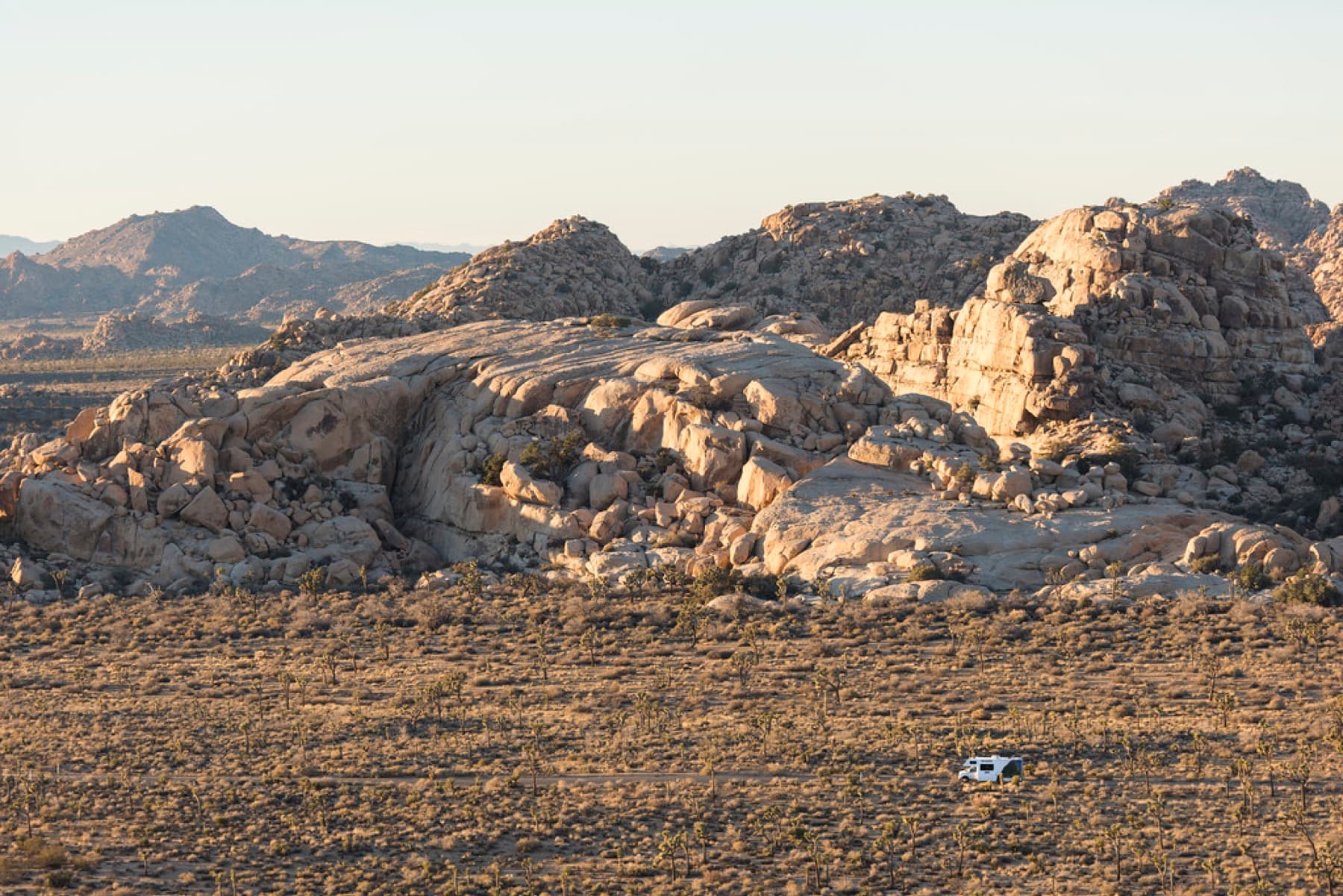
Boondocking Water Conservation Tips
A practical guide to making your fresh water last longer without turning camp life into a chore.
Boondocking Bathroom and Waste Strategy: How to Stay Comfortable Without Cutting Trips Short
A practical guide to RV bathroom use while boondocking, including gray and black tank strategy, daily habits, and the small choices that stretch stays the longest.
How Long Can You Boondock in an RV? The Real Answer Depends on These Four Limits
A practical guide to how long you can boondock in an RV based on battery, solar, water, waste, and the habits that usually end a stay first.
About this coverage
OffGridRVHub Editorial
Independent editorial coverage for off-grid RV systems
OffGridRVHub publishes practical guidance on solar, batteries, water, connectivity, and camping logistics for RVers who want calmer, better-informed decisions. The focus is plain-language system design, realistic tradeoffs, and tools that help readers work from real constraints instead of marketing claims.
Contact the editorial team